
Dangote Cement Unveils $1bn Expansion Plan to Boost African Production Capacity
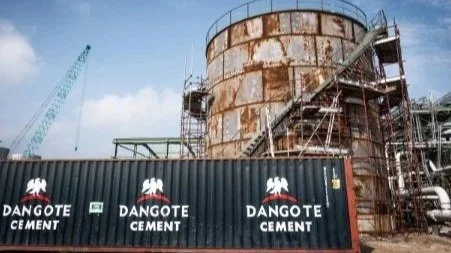
Africa’s Largest Cement Producer Dangote Cement Unveils $1bn Growth Strategy
Dangote Cement has announced a $1 billion investment plan to expand its production capacity across Africa, a move aimed at strengthening supply of construction materials and supporting infrastructure and housing development across the continent.
The expansion plan, unveiled by the company’s leadership, will focus on increasing cement manufacturing capacity in several African markets where demand continues to grow due to urbanisation, population growth and large-scale infrastructure projects.
As Africa’s largest cement producer, Dangote Cement said the investment will reinforce its position as a key supplier of construction materials while supporting regional economic development.
Expansion Strategy Across African Markets
The company plans to channel the $1 billion investment into new production lines, plant upgrades and capacity expansions across its African operations.
Dangote Cement currently operates in more than ten African countries, including Nigeria, Ethiopia, Tanzania, Senegal, Zambia and South Africa. These markets continue to experience rising demand for cement driven by public infrastructure programmes and private real estate development.
According to the company, increasing local manufacturing capacity will help reduce reliance on cement imports while strengthening supply chains across African construction markets.
Supporting Housing and Infrastructure Development
The expansion comes at a time when many African countries face significant housing deficits and infrastructure gaps, which require sustained investment in construction materials.
In Nigeria alone, housing experts estimate a deficit exceeding 20 million housing units, creating strong demand for cement and other building materials needed for residential development.
Greater cement production capacity could support:
Affordable housing construction
Urban infrastructure development
Road and transport projects
Industrial and commercial real estate growth
By expanding supply across the continent, Dangote Cement aims to position itself to meet long-term demand linked to urbanisation and economic growth.
Strengthening Dangote’s Regional Market Leadership
The expansion plan aligns with the broader industrial strategy of Nigerian billionaire Aliko Dangote, founder of the Dangote Group, who has long pursued large-scale investments in manufacturing across Africa.
Dangote Cement remains the largest cement producer in Africa, with installed production capacity exceeding 50 million tonnes annually across its operations.
Industry analysts note that expanding capacity could allow the company to maintain competitive pricing, improve logistics efficiency and strengthen its dominance in African cement markets.
The investment also reflects growing confidence in the continent’s long-term construction demand, particularly as governments prioritise infrastructure spending and housing delivery.
Implications for the African Construction Sector
The $1 billion investment could have significant implications for the wider construction industry.
Higher production capacity may help stabilise cement supply in key markets and potentially moderate price volatility, which has been a major challenge for developers and housing projects in several African countries.
For policymakers and real estate developers, improved availability of cement could support government efforts to accelerate housing delivery, urban renewal programmes and infrastructure expansion.
The move also underscores the strategic importance of local manufacturing in reducing construction costs and improving supply reliability across the region.
Outlook for Africa’s Cement Industry
Demand for cement across Africa is expected to remain strong over the coming decade, driven by rapid population growth, urban expansion and increasing investment in infrastructure.
Dangote Cement’s expansion strategy positions the company to capture a larger share of this growth while reinforcing its role in supporting the continent’s development agenda.
If successfully implemented, the $1 billion investment could strengthen Africa’s construction supply chain and contribute to addressing the region’s persistent housing and infrastructure challenges.
