
Infrastructure Funding Crisis: Contractors Accuse Federal Government of Misleading Payment Claims
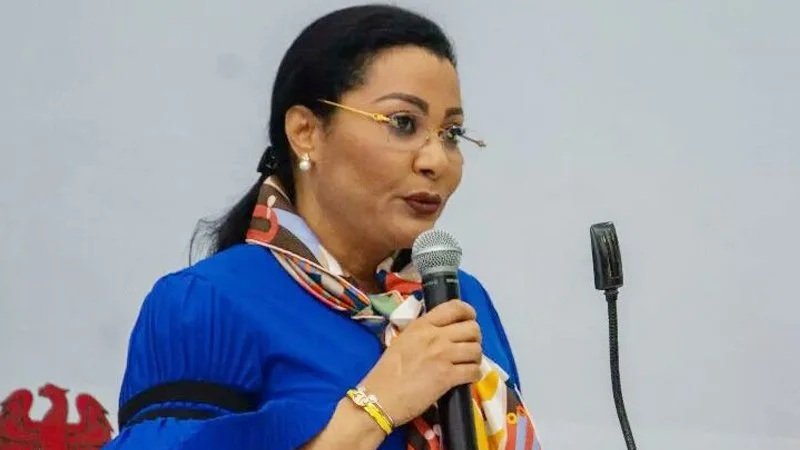
Doris Uzoka-Anite, minister for industry, trade and investment
A coalition of local contractors has formally refuted recent assertions by the Federal Government regarding the disbursement of ₦152 billion to settle outstanding debts for various infrastructure projects. The contractors allege that the government’s claims are inaccurate and fail to reflect the actual financial status of ongoing and completed national projects.
Contradicting Disbursement Claims
The dispute surfaced following an official announcement suggesting that the Federal Government had cleared a significant portion of its liabilities to indigenous firms. In response, representative bodies for the contractors issued a statement accusing the government of providing misleading information to the public. They contend that the majority of their members have yet to receive the reported payments, despite having fulfilled contractual obligations.
According to the contractors, the lack of liquidity continues to stall critical infrastructure projects across the federation. They maintain that the discrepancy between official government reports and the reality of bank balances for these firms creates a false sense of economic progress while the construction industry remains in a state of financial distress.
Implications for National Infrastructure
The unresolved debt situation poses a significant threat to Nigeria’s infrastructure goals. For investors and policymakers, this friction highlights the persistent challenge of project financing and the reliability of sovereign guarantees. When payments are delayed or disputed, the cost of projects often escalates due to interest on bank loans and the rising price of construction materials.
The contractors emphasized that many indigenous firms are currently operating under the threat of foreclosure by commercial banks. They argue that if the ₦152 billion had indeed been injected into the sector, the visible impact on project sites many of which remain abandoned or under-resourced would be evident.
Transparency and Accountability Demands
To resolve the impasse, the contractors are demanding a detailed breakdown of the alleged ₦152 billion disbursement. Specifically, they seek clarity on:
The specific companies that received payments.
The exact projects associated with these funds.
The dates of the transactions.
The coalition argues that a public-facing audit of these payments is necessary to restore trust between the private sector and the government. They warn that continued misrepresentation of financial facts could deter foreign direct investment and undermine the credibility of the Federal Ministry of Works and other awarding agencies.
The conflicting narratives regarding the ₦152 billion payment highlight a deeper systemic issue in Nigeria’s public procurement and expenditure management. For the nation to meet its urban renewal and housing supply targets, a transparent and consistent payment framework is essential. Until there is a verified reconciliation of accounts between the Federal Government and the contractors, the pace of infrastructure development is likely to remain hampered by financial uncertainty and mutual distrust.
