
Cement Prices Surge Nationwide: Bag Now Retailing at ₦11,000
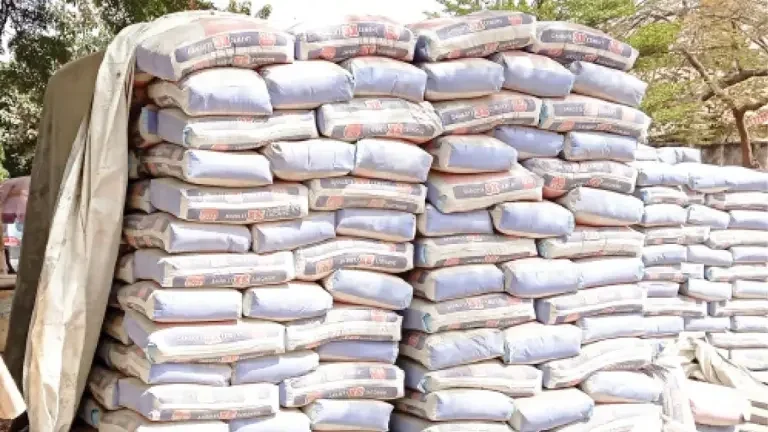
Cement Retail Prices Hit New Highs as Building Costs Escalate
Prices of cement continue to escalate across Nigeria’s construction markets, with a standard 50-kilogram bag now selling between ₦10,500 and ₦11,000 in many parts of the country. The upward trajectory spans major brands and key urban hubs, raising concerns among builders, block makers and developers about rising project costs and housing affordability.
Market surveys conducted this week indicate widespread price adjustments in states including Kwara, Abuja, Kano, Kaduna and Jigawa, reflecting a nationwide trend rather than isolated spikes.
Overview of the Recent Price Increases
Retail prices for popular cement brands including Dangote, BUA and Lafarge have shown a consistent upward revision over the past few weeks:
Dangote Cement around ₦10,500-₦10,800 per bag in urban markets
BUA Cement averaging ₦10,600-₦10,700
Lafarge products similarly priced within the ₦10,600-₦10,700 band
In some outlets in Abuja, individual bags have been recorded at around ₦11,200, particularly for higher-demand brands.
Traders and small-scale builders indicate these price points have become the new normal across many building material hubs.
Drivers of Cement Price Inflation
Industry sources and traders attribute recent increases to several economic and market forces:
Rising supply chain and production costs: Transport, logistics, energy and input costs have reportedly risen, squeezing margins and prompting higher retail prices.
Distribution and intermediary mark-ups: Dealers acknowledge that transportation costs, loading expenses and distributor margins contribute to final retail pricing.
Market dynamics: High demand, limited supply in certain regions and elevated logistical costs reflect broader inflationary pressures affecting construction materials.
While manufacturers have cited cost pressures, consumers and builders question the depth of these cost drivers, noting that prices have climbed even where raw material costs have not risen proportionately.
Impact on Housing and Construction Sector
The sharp price escalation has immediate implications for housing affordability and construction planning:
Builders and contractors report stretched budgets, with project cost forecasts continually adjusted to account for higher cement outlays.
Block makers and related micro-enterprises say elevated material costs are forcing upward adjustments in product pricing, which in turn affect broader building economics.
Small-scale developers increasingly defer or suspend projects as input costs rise faster than overall construction budgets can absorb.
Market analysts note that cement represents a fundamental component of structural costs; therefore, persistent price inflation in this commodity can materially affect housing supply dynamics and affordability for low- and middle-income households.
Recent Historical Context and Structural Factors
Cement price volatility in Nigeria is not a new phenomenon. Over recent years, price ranges have shifted significantly from levels in 2023 and early 2024 when average retail prices generally ranged below ₦7,000 per bag. Ongoing currency, energy and logistics challenges have contributed to sustained upward momentum.
Despite Nigeria’s substantial domestic cement production capacity estimated in the tens of millions of tonnes annually retail prices remain elevated, reflecting structural cost pressures within the domestic supply chain.
Policy and Market Outlook
Government and industry stakeholders have occasionally intervened in discussions around building material costs, including past dialogues to peg cement prices within an agreed band. However, the current price trend appears to have outpaced prior regulatory estimates and market expectations.
For the building and housing sectors, sustained high cement prices could delay project timelines, inflate construction budgets and ultimately pass costs on to end-users or homebuyers. Industry observers suggest that policy measures addressing supply chain bottlenecks, logistics efficiencies and competitive market practices may be needed to stabilise prices.
Conclusion: Cost Pressures Persist
The continued increase in cement prices with bags now frequently above ₦10,500 and reaching ₦11,000 underscores significant cost pressures within Nigeria’s construction materials market. As builders, developers and policymakers grapple with these trends, the broader housing sector faces the dual challenge of maintaining project viability while safeguarding affordability.
Monitoring future price movements and evaluating supply chain resilience will be essential for stakeholders seeking to understand and mitigate the economic impact of building material inflation on Nigeria’s housing landscape.
