
Nigeria’s Central Bank Spent Nearly $8 Billion to Stabilise FX Market in 2025
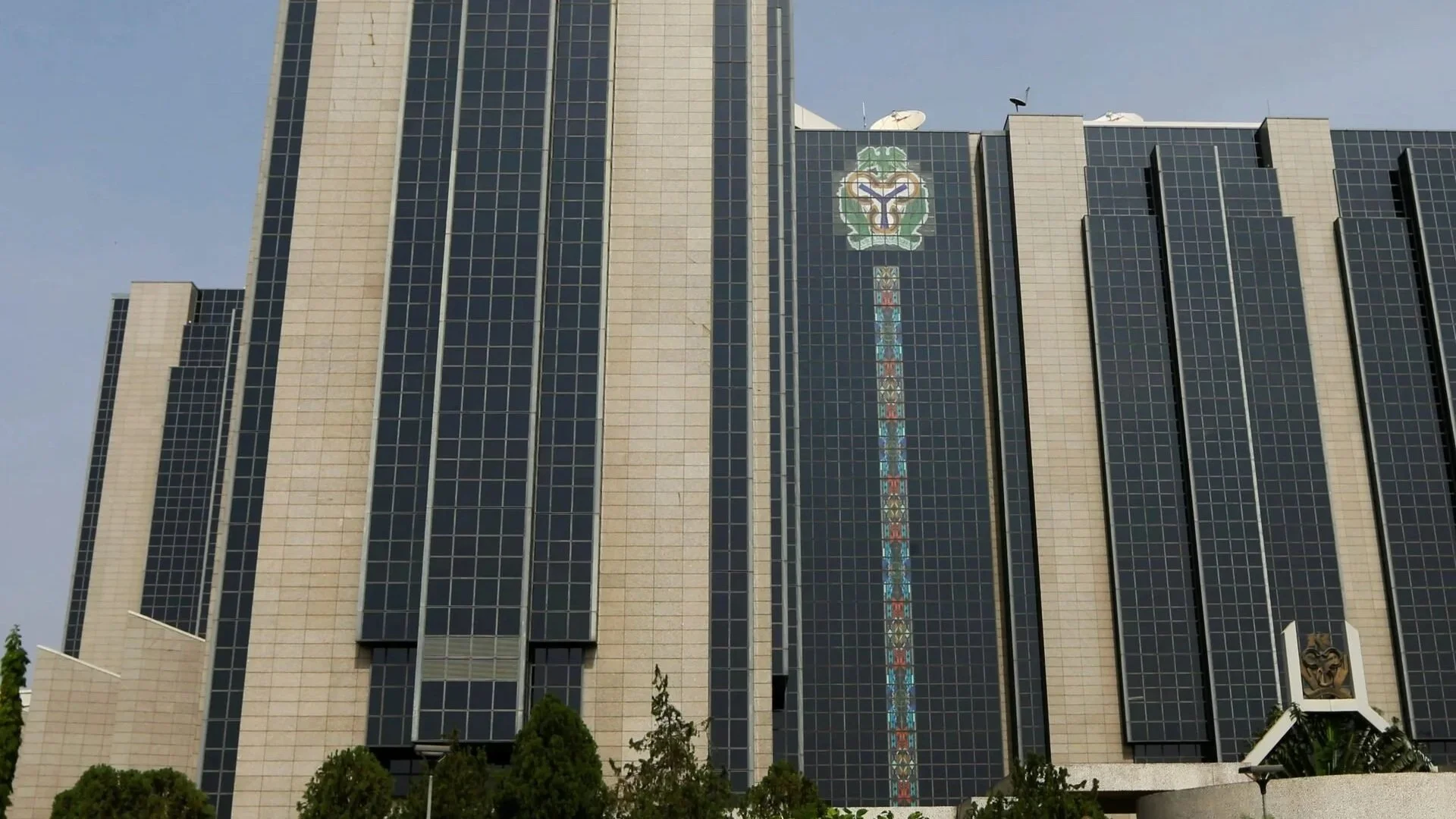
CBN’s Dollar Interventions Total $7.8 Billion in 2025 to Support Naira Stability
The Central Bank of Nigeria (CBN) spent approximately $7.8 billion in 2025 on foreign exchange (FX) liquidity management, according to economists at Stanbic IBTC Asset Management Limited. The disclosure was made during the bank’s “Nigeria 2026 Economic Outlook” webinar held on 10 February 2026, as analysts outlined monetary and external sector developments shaping the macroeconomic landscape.
The interventions were aimed at stabilising the Nigerian naira and supporting the liberalised FX framework following periods of heightened volatility. Nearly half of the total interventions occurred between March and May 2025 a timeframe marked by sharp exchange rate pressures and market uncertainty, the economists said.
Scale and Timing of FX Interventions
According to Stanbic IBTC analysts led by Mr Abdulazeez Kuranga, the CBN’s $7.8 billion FX interventions helped supply foreign currency into the Nigerian Autonomous Foreign Exchange Market (NAFEM), narrowing disparities in exchange rates and supporting confidence among market participants.
Within this total, about 47 per cent of sales occurred between March and May 2025, reflecting the apex bank’s response to negative sentiment and depreciation pressures in that period. During these months, the CBN intensified dollar sales to smooth volatility and prevent sharp currency dislocations.
Reduced Central Bank Dominance and Market Dynamics
The economists highlighted a shift in market dynamics, noting that the CBN’s share of total FX inflows has declined significantly as private sector and external flows gained traction. In 2025, the apex bank’s contribution to FX supply averaged 12.9 per cent, compared to 77.9 per cent at the height of the COVID-19 era in March 2020.
This trend suggests that Nigeria’s FX market is gradually deepening, with broader participation from foreign investors, exporters, remittances and portfolio inflows all of which strengthened liquidity conditions. Analysts said that improved FX reserves, bolstered by these diverse inflows, provided a firmer foundation for currency stability in the latter part of 2025.
Strategic Implications for the Nigerian Economy
The CBN’s sizeable interventions in the FX market reflect its commitment to reducing exchange rate volatility and maintaining orderly market conditions. By injecting liquidity when volatility was elevated, the apex bank aimed to temper sharp swings that can erode investor confidence and disrupt trade and financial operations.
This strategy coincided with a pickup in FX inflows from core sources such as oil exports, remittances and foreign portfolio investment — trends that have helped underpin reserves and reduce the frequency of large official interventions. Various data sources indicate that Nigeria’s foreign exchange reserves have climbed to multi-year highs in recent months, strengthening external buffers.
Experts forecast that continued emphasis on market-based pricing and deeper participation from private and foreign investors could further enhance FX liquidity and resilience in 2026. For policymakers, maintaining stable exchange rate dynamics remains a priority, given its transmission effects on inflation, trade competitiveness and investor sentiment.
Outlook and Risks Ahead
Stanbic IBTC economists projected a cautiously optimistic outlook for Nigeria’s macroeconomy in 2026, anchored on FX stability and improving investor confidence. Growth was projected between 4.1 per cent and 4.4 per cent, supported by stronger performance in non-oil sectors such as agriculture and manufacturing. Inflation was expected to moderate toward the mid-teens, aided by stable FX conditions and tighter monetary policy.
However, analysts warned that external shocks, including fluctuations in global oil prices or tightening policies in developed markets, could influence capital flows and exchange rate stability. These risks underscore the delicate balancing act central banks face between managing reserves, supporting currency markets and preserving macroeconomic stability.
The revelation that the CBN spent roughly $7.8 billion on FX liquidity management in 2025 highlights the ongoing challenges and policy responses within Nigeria’s foreign exchange markets. While significant in scale, these interventions were part of a broader ecosystem of private and external inflows that have bolstered liquidity, narrowed exchange rate disparities and strengthened confidence.
As Nigeria’s FX market continues to evolve, maintaining momentum toward deeper, market-driven liquidity supported by diverse inflows and sound monetary policy will be central to sustaining exchange rate stability and macroeconomic progress in 2026 and beyond.
