
BIRA Implements Indefinite Short-Let Ban Following Security Breach in Banana Island
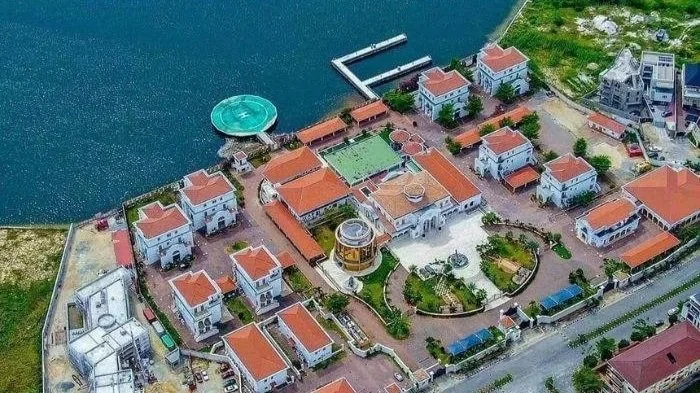
Banana Island Bans Short-Let Rentals After Police Arrest Eight
The Banana Island Residents’ Association (BIRA) has announced an immediate and indefinite ban on short-let apartment rentals within the estate. This policy shift follows a security operation by the Nigeria Police Force, which led to the arrest of eight individuals suspected of involvement in a robbery syndicate operating within the high-brow Lagos community.
According to a statement issued by the BIRA executive committee, the decision aims to fortify the security architecture of the estate and mitigate the risks posed by transient tenants. The association noted that the suspects had utilized a short-let apartment as a base of operations, highlighting a vulnerability in the current oversight of temporary stays.
Security Concerns and the Short-Let Market
The move by BIRA reflects growing concerns among luxury estate managers regarding the unregulated nature of the short-let industry. While short-term rentals offer lucrative returns for property owners often outperforming traditional long-term leases they present significant challenges for estate security protocols.
In this instance, the Nigeria Police Force tracked the suspects to the estate after a series of reported thefts. The BIRA management emphasized that the anonymity often associated with short-let bookings makes it difficult to vet occupants effectively, thereby compromising the safety of permanent residents.
Impact on Property Owners and Investors
Banana Island is widely regarded as Nigeria’s most expensive real estate hub. The ban is expected to have an immediate impact on investors who specifically acquired units for the purpose of short-term hospitality. For these stakeholders, the pivot back to long-term leasing may result in a shift in yield expectations, though it may stabilize the estate's residential character.
BIRA has mandated that all property owners currently engaged in short-let activities must cease operations immediately. The association further clarified that any homeowner found violating this directive would face stiff penalties, including the withdrawal of estate privileges and potential legal action.
Regulatory Outlook for Gated Communities
This development may signal a broader trend across Lagos’s premium residential zones. As security remains a primary concern for high-net-worth individuals, other estates in Ikoyi, Victoria Island, and Lekki Phase 1 may consider similar restrictive measures to curb the influx of unverified short-term occupants.
The Banana Island Residents’ Association has indicated that it will continue to work closely with law enforcement agencies to maintain the estate’s status as a secure enclave. While the ban is currently indefinite, the association hinted at a possible review only if a more robust, centralized vetting system for short-term stays is developed and implemented.
