
Abuja Refuse Crisis: Persistent Waste Management Failures Threaten FCT Livability
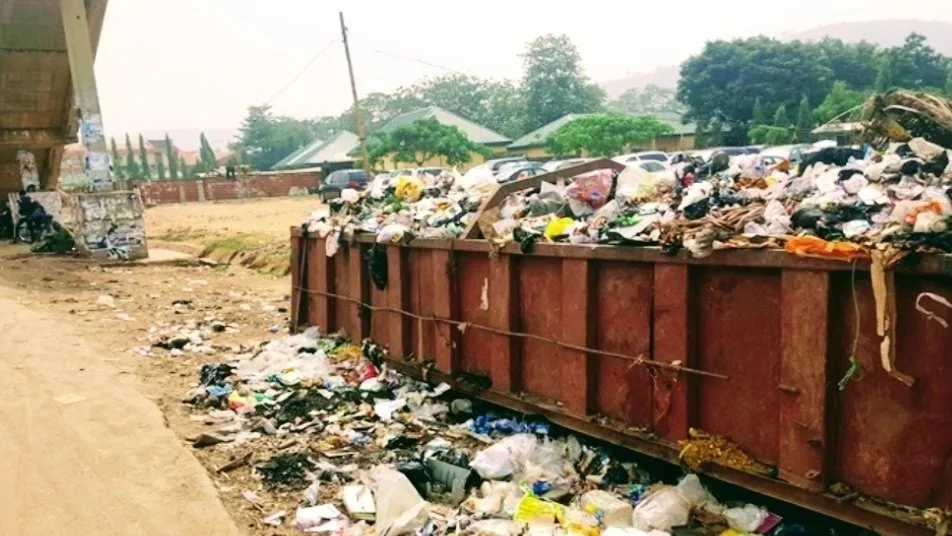
Abuja faces a worsening refuse crisis as uncollected waste accumulates in major districts
The Federal Capital Territory (FCT) is currently contending with a significant environmental crisis as uncollected solid waste accumulates across major districts, undermining the city’s planned urban aesthetics and public health standards. Despite various administrative interventions, poor waste management practices persist in areas such as Garki, Wuse, Kubwa, and Nyanya, leading to blocked drainage systems and heightened risks of disease outbreaks.
Systemic Failures in Waste Collection
The current situation in the FCT is characterised by overflowing collection bins and the emergence of makeshift dumpsites along major arterial roads. Residents and urban planners have identified irregular collection schedules as a primary driver of the crisis. According to reports, waste is often left uncollected for weeks, compelling households and businesses in densely populated areas to resort to indiscriminate dumping in open spaces and water channels.
The Abuja Environmental Protection Board (AEPB) and the respective Area Councils, which share the statutory responsibility for sanitation, face mounting criticism over their inability to maintain consistent service delivery. Observers point to a lack of coordination between government agencies and private waste contractors, compounded by weak enforcement of existing sanitation laws.
Impact on Public Health and Infrastructure
Environmental experts have issued warnings regarding the long-term implications of the refuse backlog, particularly with the approach of the rainy season. Decomposing organic matter serves as a breeding ground for vectors of diseases such as cholera, typhoid, and malaria. Furthermore, the accumulation of plastic waste in drainage networks significantly increases the vulnerability of the capital to flash flooding, which poses a direct threat to urban infrastructure and property values.
In commercial hubs and informal settlements, the crisis is particularly acute. Market traders are increasingly operating in proximity to towering refuse heaps, raising concerns over food contamination and the general degradation of the business environment.
Demographic Pressures and Institutional Gaps
Urban development analysts suggest that Abuja’s rapid population growth has outpaced its current waste management infrastructure. As migration to the FCT intensifies, the volume of waste generated has surged, yet there has been no commensurate expansion in recycling capacity or disposal logistics.
Financial constraints and a lack of accountability within the waste management framework have further limited the effectiveness of the AEPB. Currently, the system relies heavily on traditional collection and landfill methods, with minimal investment in modern alternatives such as waste-to-energy initiatives or comprehensive recycling programmes.
Forward Outlook
The persisting refuse crisis in Abuja serves as a visible indicator of the governance and environmental management challenges facing the capital. To restore the city’s status as a model of urban planning, stakeholders are calling for a multi-faceted approach. This includes the implementation of stricter sanitation regulations, the adoption of sustainable waste-to-wealth technologies, and enhanced public-private partnerships. Without immediate and systemic reform, the FCT risks a protracted public health emergency and a steady decline in its urban livability index.
