Oshodi Area Guide: Lagos’ Vibrant Transit Hub and Residential Hotspot
Oshodi Area Guide: Living, Rent, Property Prices & Investment Insights 2026
In Lagos, few neighbourhoods tell the story of the city like Oshodi. A pulsating hub of commerce, transit, and urban energy, Oshodi is where Lagos truly earns its nickname “the city that never stops.”
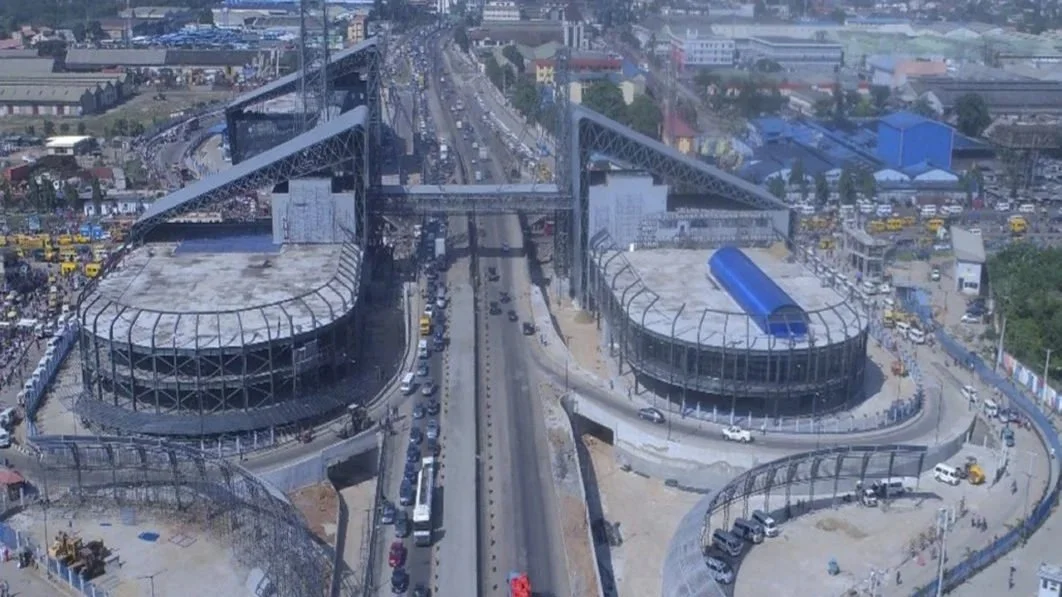
Once known for congestion and informal markets, Oshodi has transformed into a modern transport and commercial nexus. The recent redevelopment of the Oshodi–Apapa Expressway, integrated bus terminals, and retail upgrades have repositioned the neighbourhood as a strategic residential and investment destination. For residents, it’s a place of accessibility and opportunity. For investors, it’s a location where infrastructure improvements and high-density commercial activity promise consistent demand.
This guide dives deep into Oshodi’s neighbourhood identity, housing market, cost of living, transport network, amenities, and investment potential giving you a granular, neighbourhood-level perspective that competitors rarely offer.
Area Snapshot: Oshodi at a Glance
Location: Lagos Mainland, Western Corridor
LGA: Oshodi
State: Lagos State
Major Access Roads: Oshodi–Apapa Expressway, Agege Motor Road, Funsho Williams Avenue
Neighbouring Areas: Isolo, Agege, Mushin, Ikeja
Distance to Lagos Island CBD: 25–40 minutes (traffic-dependent)
Character: Dense commercial-residential hub with high population movement
Oshodi is the lifeblood of Lagos transit, connecting industrial, commercial, and residential zones across the mainland and Island.
Overview & Identity: The Soul of Oshodi
Oshodi is Lagos at its most kinetic. Historically a transportation and trading hotspot, the area has evolved into a multi-layered urban hub. It combines:
High-density residential quarters
Expansive commercial corridors
Integrated transport hubs and bus terminals
Informal and formal markets
Its identity is shaped by accessibility, commerce, and resilience. Streets bustle with traders, commuters, and small business owners, creating a neighbourhood that never truly sleeps. Despite its density, redevelopment efforts have brought a sense of order, modernity, and opportunity.
Housing & Real Estate Overview
Oshodi caters largely to middle-income earners, professionals, and small investors seeking rental opportunities.
Common Property Types
Self-contained apartments (studio, 1-bedroom)
2–3 bedroom flats
Low-rise duplexes
Older single-storey homes
Mixed-use residential-commercial units
Rental Prices (2026 Estimates)
Property Type
Average Rent (₦/Year)
Self-contained
₦400,000 – ₦650,000
1-bedroom flat
₦600,000 – ₦1.2m
2-bedroom flat
₦1.1m – ₦2m
3-bedroom flat
₦1.8m – ₦3m
Property Sale Prices
2-bedroom flats: ₦20m – ₦35m
3-bedroom flats: ₦30m – ₦50m
Duplexes: ₦45m – ₦90m
Oshodi’s prices are lower than premium districts like Ikeja or Lekki, making it attractive for middle-income buyers and small-scale investors.
Price Trends & Market Performance
Oshodi’s property market shows steady demand, fueled by:
High population density
Proximity to transport hubs and commercial districts
Redevelopment projects increasing desirability
Rental demand remains strong, particularly for 1–2 bedroom flats, while long-term capital appreciation is moderate but stable.
Cost of Living in Oshodi
Oshodi is more affordable than Lagos Island and Lekki but slightly higher than more remote mainland suburbs.
Groceries
Local markets and street vendors keep basic food costs competitive.
Utilities
Many households rely on generators due to occasional grid instability
Water is sourced via municipal supply or boreholes
Overall
Oshodi balances affordability with accessibility, making it practical for professionals, small families, and investors seeking rental income.
Transport & Accessibility
Oshodi is one of Lagos’ most transit-oriented neighbourhoods.
Key Access Routes
Oshodi–Apapa Expressway
Agege Motor Road
Funsho Williams Avenue
Public Transport Options
Lagos BRT and mass transit buses
Danfo and keke availability
Ride-hailing services
Commute times:
Lagos Island: 25–40 minutes
Ikeja: 20–35 minutes
Transport infrastructure upgrades have significantly improved connectivity, enhancing both residential appeal and commercial activity.
Lifestyle, Amenities & Infrastructure
Oshodi thrives on functionality rather than luxury.
Schools
Several primary and secondary schools, both public and private, serve the community.
Healthcare
Clinics and hospitals in Oshodi and nearby Mushin provide essential healthcare.
Shopping & Markets
Oshodi Market
Street vendors and mini-marts
Emerging retail and commercial complexes
Recreation
Limited high-end leisure options, but proximity to commercial and transport hubs makes it convenient for urban lifestyles.
Safety, Risks & Planning Considerations
Security varies; gated compounds improve safety for residents
High pedestrian traffic increases risk of petty crime
Flooding is an occasional concern in low-lying streets
Infrastructure is improving but requires due diligence for buyers
Who Oshodi Is Best Suited For
Families
Affordable housing with community networks, ideal for small families.
Working Professionals
Especially those working in Lagos Island, Ikeja, or nearby industrial/commercial zones.
Investors
High rental demand makes 1–2 bedroom flats particularly attractive.
Students
Proximity to institutions in Mushin and Isolo enables shared housing opportunities.
Frequently Asked Questions
Is Oshodi a good place to live?
Yes. It offers affordability, accessibility, and proximity to Lagos’ commercial and industrial hubs.
How much is rent in Oshodi?
Rents range from ₦400,000 for self-contained apartments to ₦3m for larger 3-bedroom flats.
Is Oshodi safe?
Safety varies; gated estates and community security initiatives enhance protection.
Is Oshodi good for property investment?
Yes. The area offers consistent rental demand and moderate property appreciation.
Is Oshodi from Lagos Island?
Approximately 25–40 minutes, depending on traffic conditions.