Ikeja Area Guide: Lagos’ Most Strategic Mainland Neighbourhood for Living, Work & Investment
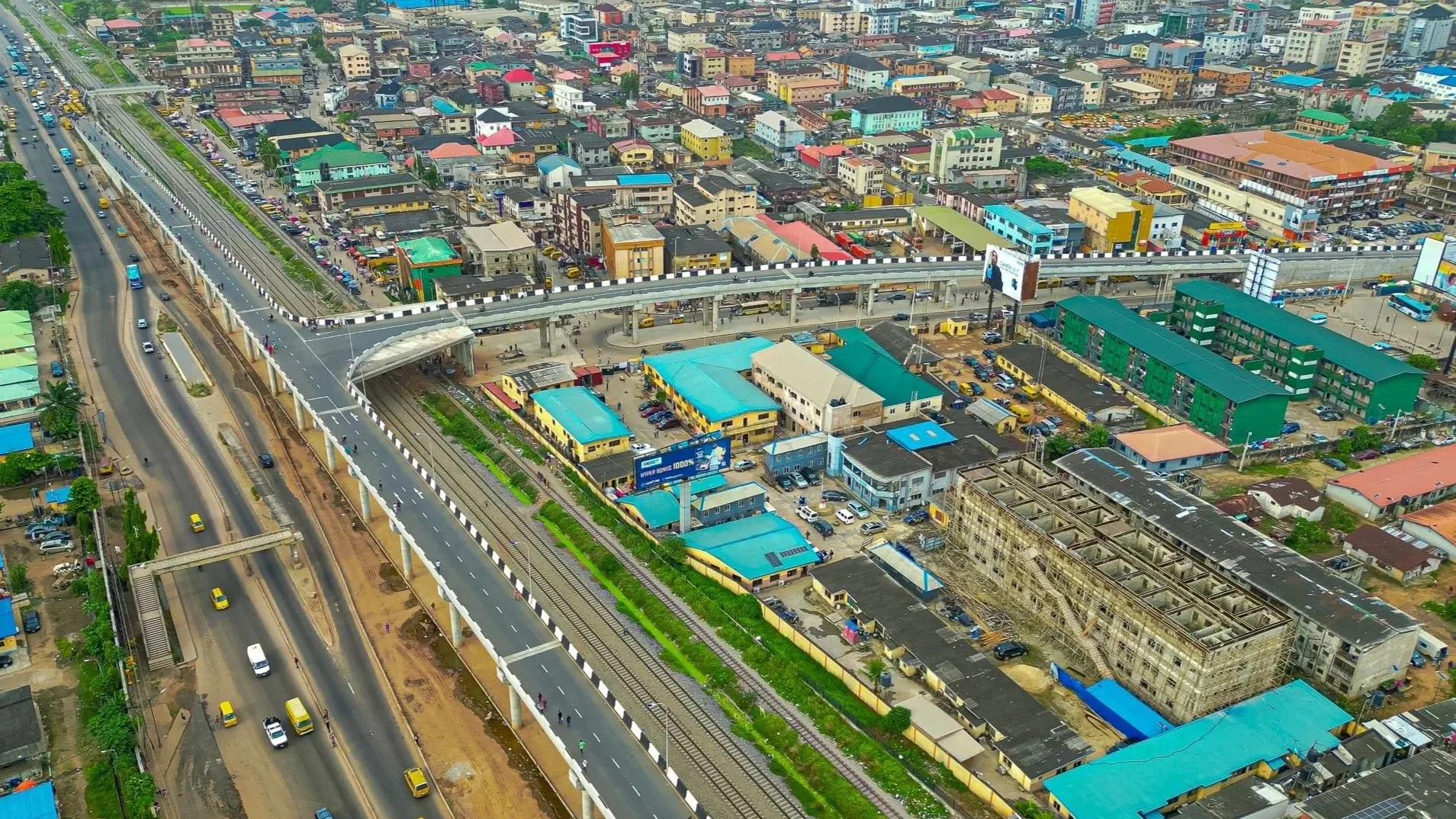
Ikeja is arguably one of the most accessible Mainland districts
There’s a version of Lagos that never really sleeps not because of the nightlife or the traffic but because everything simply works there. Welcome to Ikeja.
In a city where many neighbourhoods force you to choose between accessibility and affordability, lifestyle and infrastructure, business and peace of mind Ikeja quietly balances it all. This is where government meets enterprise, where young professionals live minutes away from corporate offices.
If Lagos Mainland had a control room, it would be Ikeja.
If you are planning your next move, scouting for rental value, or looking to invest in property that will still make sense 5–10 years from now, this guide takes you through what it actually feels like to live, work, and own real estate in one of Lagos’ most complete neighbourhoods.
Area Snapshot: Ikeja at a Glance
Located at the heart of Lagos Mainland, Ikeja serves as the capital of Lagos State and a major commercial nerve centre. It shares boundaries with Agege, Ogba, Maryland, and Oshodi-Isolo, placing it within strategic proximity to both residential hubs and industrial corridors.
Key Facts:
Home to Lagos State Government Secretariat
Hosts Murtala Muhammed International Airport
Major commercial districts: Ikeja GRA, Allen Avenue, Opebi, Alausa
Tech, aviation, and public sector workforce concentration
One of the most accessible Mainland locations to Lagos Island
Overview & Identity of the Neighbourhood
Ikeja is not just a place,it’s an ecosystem.
By day, business activity flows through Alausa’s government offices, corporate headquarters in Opebi, and the retail pulse of Allen Avenue. By evening, families retreat into the tree-lined calm of Ikeja GRA, while younger residents explore cafes, gyms, lounges, and community hubs.
Unlike emerging Mainland neighbourhoods that are still finding their identity, Ikeja has evolved over decades into a well-planned district with zoning that supports both commerce and residential living.
This dual identity is what keeps housing demand here consistently strong.
Housing & Real Estate Overview
From serviced apartments and terrace duplexes to older bungalows on large plots, Ikeja offers a diverse property mix that caters to both renters and buyers.
Common Property Types:
1–3 Bedroom Flats (Allen, Opebi, Maryland axis)
Terraced Duplexes (Adeniyi Jones, Ikeja GRA)
Fully Detached Homes (GRA & Government Reserved Areas)
Serviced Apartments (Short-let & executive rentals)
Average Rental Prices:
1 Bedroom Apartment: ₦1.2M – ₦2.5M/year
2 Bedroom Apartment: ₦2M – ₦4M/year
3 Bedroom Apartment: ₦3.5M – ₦6M/year
Duplexes: ₦5M – ₦12M+/year
Property Purchase Prices:
2 Bedroom Flat: ₦60M – ₦120M
3 Bedroom Flat: ₦90M – ₦180M
Terrace Duplex: ₦150M – ₦300M
Detached House: ₦350M – ₦800M+
Price Trends & Market Performance
Over the last 5 years, Ikeja has maintained steady capital appreciation driven by:
Proximity to the airport
Infrastructure stability
Government presence
Corporate office clusters
Rental demand has also remained strong due to:
Professionals relocating for work
Aviation industry employees
Tech workers operating within Mainland innovation districts
This consistency makes Ikeja less volatile than emerging suburban locations and more predictable for long-term investors something worth factoring into your workflow planning if you’re creating investment-focused content for your audience.
Cost of Living: Relative to Lagos Average
Compared to areas like Yaba or Surulere, Ikeja’s cost of living is moderately higher but often justified by better roads, drainage systems, power supply consistency in certain estates, and security presence.
Expect:
Higher rent but reduced commute costs
Slightly premium utility expenses
Better access to private healthcare and schooling
Transport & Accessibility
Ikeja is arguably one of the most accessible Mainland districts:
Direct access to Oshodi–Apapa Expressway
Proximity to Lagos–Ibadan Expressway
Rail access via Ikeja Train Station
10–15 minutes to Murtala Muhammed Airport
Residents enjoy relatively seamless movement to Victoria Island, Lekki, and Surulere during off-peak hours.
Lifestyle, Amenities & Infrastructure
Living in Ikeja means being close to:
Shopping malls
Cinemas
Fitness centres
Restaurants
Private hospitals
International schools
Reliable road networks, drainage upgrades in recent years, and ongoing urban planning projects continue to improve liveability across districts like Opebi and Adeniyi Jones.
Safety, Risks & Planning Considerations
While Ikeja GRA and estate-style developments offer controlled access and private security, commercial zones may experience:
Traffic congestion
Occasional flooding in low-lying streets
Increased noise levels
Prospective residents should verify drainage infrastructure and power supply reliability when considering rentals or purchases.
Who Is Ikeja Best Suited For?
Families:
Gated communities, schooling options, healthcare access.
Professionals:
Proximity to offices and airport reduces daily commute stress.
Investors:
Consistent rental demand and strong resale market.
Students:
Close to tertiary institutions and training centres.
Frequently Asked Questions
Is Ikeja a good place to live in Lagos Mainland?
Yes. It combines infrastructure, accessibility, and lifestyle amenities better than most Mainland neighbourhoods.
How much is rent in Ikeja?
Rental prices typically range from ₦1.2M to ₦6M annually depending on property type and location.
Is Ikeja good for property investment?
Yes. Steady rental demand and proximity to commercial centres support long-term value.
Which part of Ikeja is best to live in?
Ikeja GRA, Opebi, and Adeniyi Jones are among the most sought-after residential zones.