Kosofe area guide: Beating Heart of Mainland Lagos Living
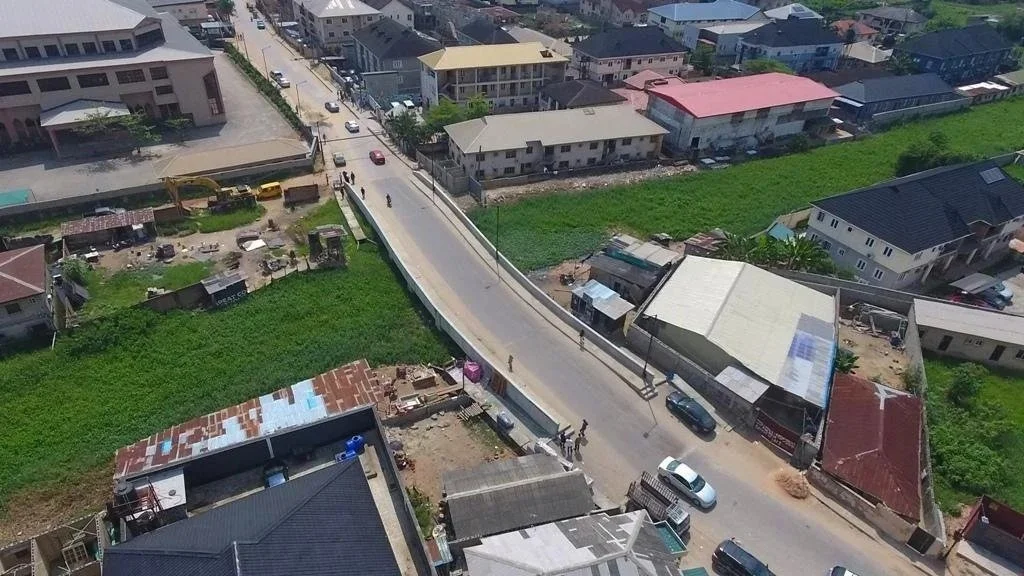
Kosofe–Ikosi Area Guide: Living, Rent, Property Prices & Investment Insights
There’s a version of Lagos you see on postcards: the glossy towers of the Island, the beachfront brunch spots, the polished business districts. And then there's Lagos that truly moves the city forward every single day. Lagos lives in Kosofe–Ikosi.
Located on the ever-busy mainland corridor, Kosofe–Ikosi is where families grow roots, professionals find practical comfort, and investors quietly build wealth. It is vibrant without being chaotic, affordable without sacrificing accessibility, and deeply connected to the economic pulse of Lagos.
If you are considering living, renting, buying, or investing in Kosofe–Ikosi, this guide will walk you through everything from housing prices and transport to lifestyle, cost of living, and long-term investment potential.
Area Snapshot: Kosofe–Ikosi at a Glance
Location: Northeastern Lagos Mainland
LGA: Kosofe
State: Lagos State
Major Access Roads: Ikorodu Road, Maryland–Ojota corridor
Neighbouring Areas: Ketu, Ojota, Mile 12, Ogudu
Proximity to CBD: 20–35 minutes to Ikeja (traffic dependent)
Character: Residential-commercial mix
Kosofe–Ikosi sits strategically between mainland business hubs and major transport corridors. It benefits heavily from its proximity to Ikorodu Road, one of the most important arterial roads in Lagos.
Overview & Identity: The Soul of Kosofe–Ikosi
Kosofe–Ikosi is not a luxury estate neighbourhood. It is something more powerful, it is functional.
The area blends:
Established family compounds
Mid-rise apartment blocks
Commercial plazas
Informal street markets
Faith centres and schools
Unlike ultra-planned estates, Kosofe–Ikosi grew organically. That growth has shaped its identity into one of resilience, affordability, and community interdependence.
It is lively in the mornings, energetic in the evenings, and practical throughout the day. You feel the pulse of everyday Lagos here not staged, not curated just real.
Housing & Real Estate Overview
Kosofe–Ikosi offers a wide spectrum of housing options catering primarily to middle-income earners and working-class families.
Common Property Types
Self-contained apartments (studio)
1-bedroom flats
2-bedroom flats
3-bedroom family apartments
Duplexes (limited but growing)
Older bungalow-style homes
Rental Prices (2026 Estimates)
Property Type
Average Rent (₦/Year)
Self-contained
₦400,000 – ₦700,000
1-bedroom
₦700,000 – ₦1.2m
2-bedroom
₦1.2m – ₦2m
3-bedroom
₦1.8m – ₦3m
Prices vary significantly depending on:
Proximity to main roads
Renovation quality
Security features
Power supply consistency
Property Sale Prices
2-bedroom flats: ₦25m – ₦45m
3-bedroom flats: ₦40m – ₦70m
Duplexes: ₦65m – ₦120m+
Compared to high-end mainland areas like Ikeja, Kosofe–Ikosi remains considerably more affordable, making it attractive for first-time buyers.
Price Trends & Market Performance
Over the past 3–5 years:
Rental prices have steadily increased due to population growth.
Demand has remained strong because of proximity to key employment zones.
Infrastructure upgrades along Ikorodu Road have strengthened investor confidence.
Kosofe–Ikosi performs particularly well during economic adjustments because it serves essential housing demand rather than speculative luxury buyers.
For investors, this means:
Stable rental occupancy
Moderate but consistent capital appreciation
Strong tenant demand year-round
Cost of Living in Kosofe–Ikosi
Compared to premium mainland districts, Kosofe–Ikosi offers a moderate cost of living.
Groceries
Local markets and roadside vendors make food costs competitive. Mile 12 Market proximity helps keep produce prices relatively affordable.
Utilities
Generator use is common.
Some streets experience more reliable grid power than others.
Water is often borehole-dependent.
Overall
Kosofe–Ikosi is more affordable than Ikeja and Maryland, but slightly more expensive than deeper Ikorodu axis areas.
Transport & Accessibility
Accessibility is one of Kosofe–Ikosi’s strongest assets.
Major Routes:
Ikorodu Road
Ojota interchange
Maryland corridor
Residents benefit from:
BRT buses along Ikorodu Road
Keke and danfo availability
Easy access to Ojota transport hub
Quick connection to Ikeja CBD
Commute times:
Ikeja: 20–35 minutes
Victoria Island: 45–90 minutes (traffic dependent)
Traffic can be intense during peak hours, but transport options are abundant.
Lifestyle, Amenities & Infrastructure
Kosofe–Ikosi thrives on functionality rather than glamour.
Schools
Several private and public schools serve the area, catering to middle-income families.
Healthcare
Local clinics and private hospitals operate within the neighbourhood, with access to larger facilities in Ikeja.
Shopping
Local markets
Mini marts
Roadside retail clusters
Proximity to Maryland commercial strip
Faith & Community
Churches and mosques form an important part of the social fabric.
Recreation
While it lacks high-end lounges, residents often visit nearby Ikeja or Ogudu for leisure.
Kosofe–Ikosi is about daily comfort, not flashy nightlife.
Safety, Risks & Planning Considerations
Like many densely populated mainland areas:
Some streets are better secured than others.
Flooding may occur during heavy rains in low-lying areas.
Gated streets and community security groups improve safety in many sections.
Before renting or buying:
Inspect drainage systems.
Confirm access road conditions.
Ask about transformer stability and power history.
Overall, safety is typical of middle-density Lagos mainland districts street-specific rather than area-wide.
Who Is Kosofe–Ikosi Best Suited For?
Families
Affordable rent, schools, and established community structure make it suitable for growing families.
Working Professionals
Especially those working in Ikeja, Maryland, or Ojota.
Real Estate Investors
Strong rental demand
Affordable entry price
Lower vacancy risk
Students
Proximity to mainland institutions makes shared apartments viable.
Kosofe–Ikosi is ideal for practical living not luxury showcasing.
Frequently Asked Questions
Is Kosofe–Ikosi a good place to live?
Yes, especially for middle-income earners looking for affordability and strong accessibility.
How much is rent in Kosofe–Ikosi?
Rents typically range from ₦400,000 for self-contained apartments to ₦3m for larger 3-bedroom flats.
Is Kosofe–Ikosi safe?
Safety varies by street. Gated streets and active community security groups enhance safety.
Is Kosofe–Ikosi good for property investment?
Yes. It offers stable rental demand and steady appreciation.
How far is Kosofe–Ikosi from Ikeja?
Approximately 20–35 minutes depending on traffic.