Is Apapa Lagos Still Livable? Complete Area Guide
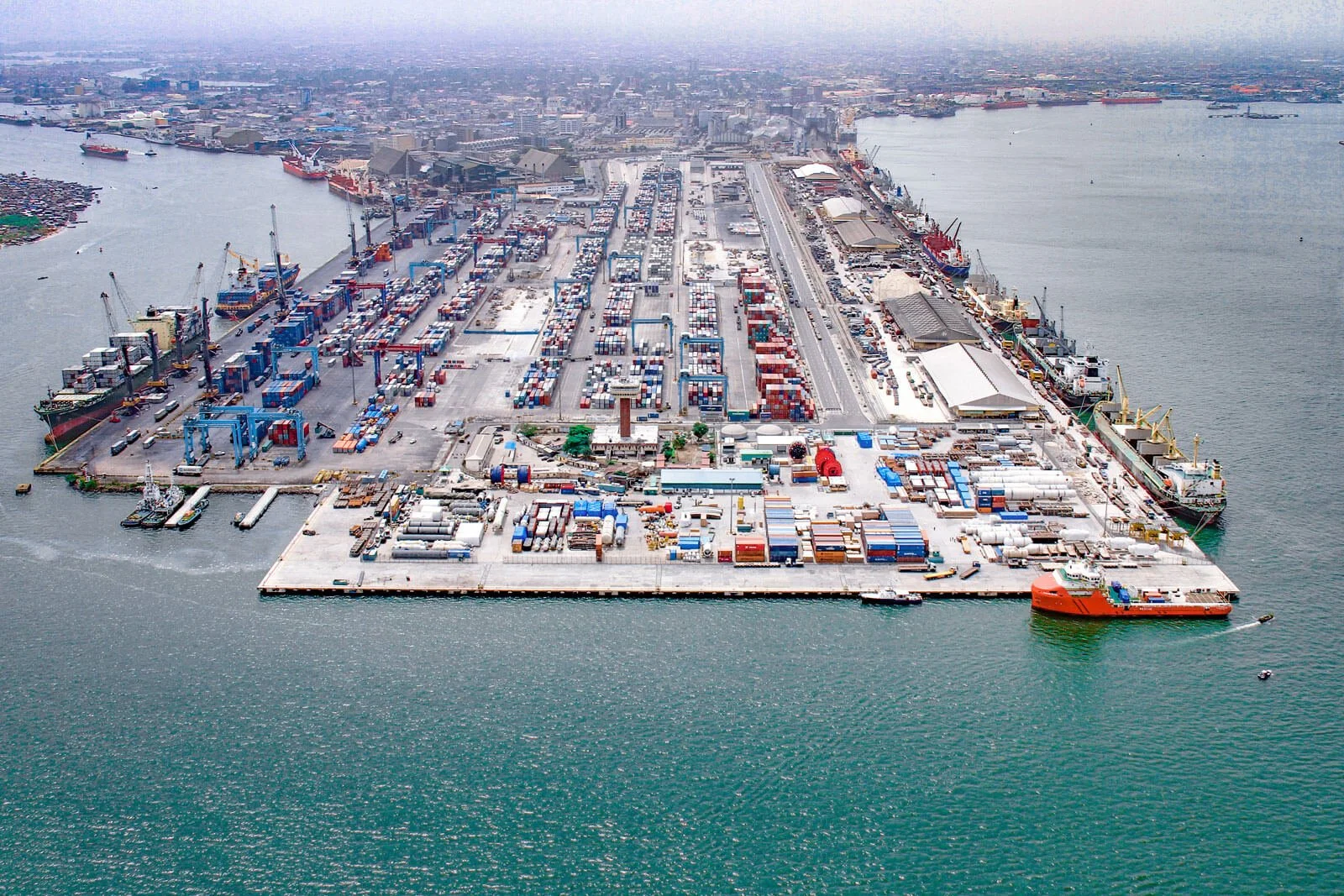
Heavy port traffic
Apapa is one of Lagos’ most misunderstood neighbourhoods. Mention the name and many people think only of gridlock, ports, and heavy trucks. But Apapa’s story is far more layered than its traffic headlines. Long before congestion became its defining narrative, Apapa was one of Lagos’ most prestigious residential districts, leafy, planned, and home to some of the city’s most established families.
Today, Apapa exists in contrast. Behind the port activity and commercial pressure lies a residential core that still functions, still attracts a specific type of resident, and still holds long-term real estate value for those who understand it. This guide breaks Apapa down honestly, the good, the difficult, and the overlooked.
Area Snapshot: Where Apapa Sits in Lagos
Apapa is located in Lagos Mainland West, bordered by the Lagos Port Complex and surrounded by water on multiple sides. Its coastal position made it strategically vital to Nigeria’s trade economy, but that same advantage has shaped its present challenges.
Key facts at a glance:
Local Government: Apapa LGA
Axis: Lagos Mainland (West)
Neighbouring areas: Amuwo-Odofin, Festac Town, Ijora
Role: Port, logistics, residential enclave
Access routes: Apapa–Oshodi Expressway, Marine Road
Apapa’s geography is both its strength and its constraint.
Overview & Identity of the Neighbourhood
Apapa was built with intention. Wide streets, low-density plots, and planned zoning once made it one of Lagos’ most desirable addresses. Many of those structural advantages still exist.
What has changed is usage. Heavy port traffic, container movement, and industrial expansion have reshaped daily life. Yet within estates like Apapa GRA, the residential identity remains surprisingly intact.
Apapa today is:
A commercial and logistics powerhouse
A legacy residential neighbourhood
A study in urban strain and resilience
It appeals less to trend-driven renters and more to people who value space, structure, and long-term ownership.
Housing & Real Estate Overview
Apapa’s housing stock is very different from high-rise Island neighbourhoods. Properties are mostly horizontal, with larger land sizes and older construction styles.
Common housing types include:
Detached and semi-detached houses
Large apartments in low-rise buildings
Older colonial-era homes (many renovated)
Converted residential-to-commercial properties
Typical rent ranges (approximate):
2-bedroom flat: ₦1.2m – ₦2.5m
3-bedroom flat: ₦2m – ₦4m
Detached houses: ₦5m+ depending on condition
Sale prices are often lower than comparable properties in Ikoyi or Victoria Island, largely due to perception and access challenges rather than build quality.
Price Trends & Market Performance
Apapa’s real estate market is stable but selective. Price growth is slower than in emerging residential hubs, yet values have not collapsed despite years of infrastructural strain.
Market characteristics include:
Owner-occupier dominance
Limited speculative development
Gradual appreciation in well-maintained estates
Properties inside Apapa GRA perform significantly better than roadside or mixed-use areas affected by truck congestion.
Cost of Living Context (Compared to Lagos Average)
Living in Apapa can be cost-effective in terms of housing size relative to rent, but transport costs in terms of time and convenience are higher than average.
Daily expenses such as food and utilities remain moderate, but residents often plan their schedules carefully to avoid peak traffic hours.
For families who live and work within the Apapa–Festac–Amuwo axis, the cost balance can still make sense.
Transport & Accessibility
Transport is Apapa’s biggest challenge and most important consideration. Traffic congestion, especially during weekday port operations, significantly affects mobility.
Residents rely on:
Private vehicles
Off-peak commuting strategies
Alternative routes via Ijora and Mile 2
Living in Apapa requires planning, patience, and flexible timing.
Lifestyle, Amenities & Infrastructure
Apapa offers a quieter, more residential lifestyle than many mainland districts. Social life is limited but functional, centered around private clubs, neighbourhood stores, and community spaces.
Infrastructure highlights include:
Established schools and hospitals
Long-standing markets and shopping centers
Wide residential roads (inside estates)
Lifestyle here is practical rather than trendy.
Safety, Risks & Planning Considerations
Apapa is generally safe within residential estates, particularly Apapa GRA, where private security and long-term residents create stability.
Key risks to assess:
Proximity to heavy truck routes
Flood-prone streets during rainy season
Road accessibility during port congestion
Property selection is critical; street choice matters more than neighbourhood name.
Who Apapa Is Best Suited For
Apapa suits a specific lifestyle and mindset.
Families: Suitable for those prioritising space and stability
Professionals: Best for people working in Apapa or nearby industrial zones
Investors: Long-term value play in well-located residential pockets
Students: Generally unsuitable due to access challenges
Apapa rewards people who understand it and frustrates those who don’t.
Frequently Asked Questions
Is Apapa still a good place to live?
Yes, particularly within Apapa GRA and low-traffic residential streets.
Why is Apapa traffic so bad?
The concentration of ports and heavy truck activity overwhelms road infrastructure.
Is Apapa real estate undervalued?
In some areas, yes. Perception and access issues suppress prices despite solid housing stock.
Is Apapa safe?
Residential estates are generally safe, though due diligence is essential.