Last Updated: June 3, 2026
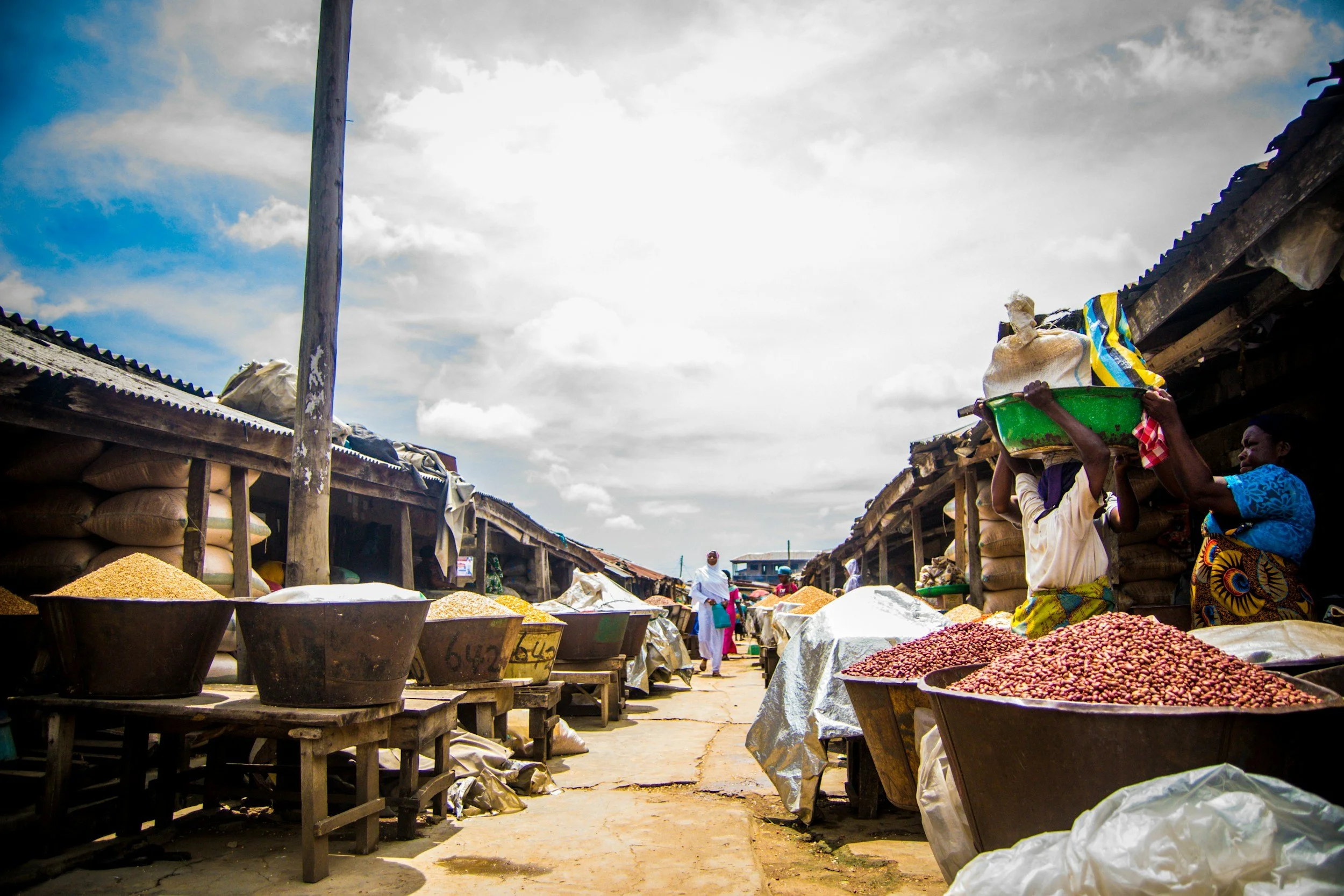
While Nigeria’s leading economies like Lagos and Rivers continue to expand, several states face significant hurdles in 2026. Understanding the top 10 poorest states in nigeria is crucial for policymakers, NGOs, and real estate investors looking to identify areas in need of infrastructure development and social intervention.
Our 2026 ranking is based on the Multidimensional Poverty Index (MPI), which measures deprivations in health, education, and living standards (housing and water), alongside traditional GDP per capita data.
/ You Might Also Like /


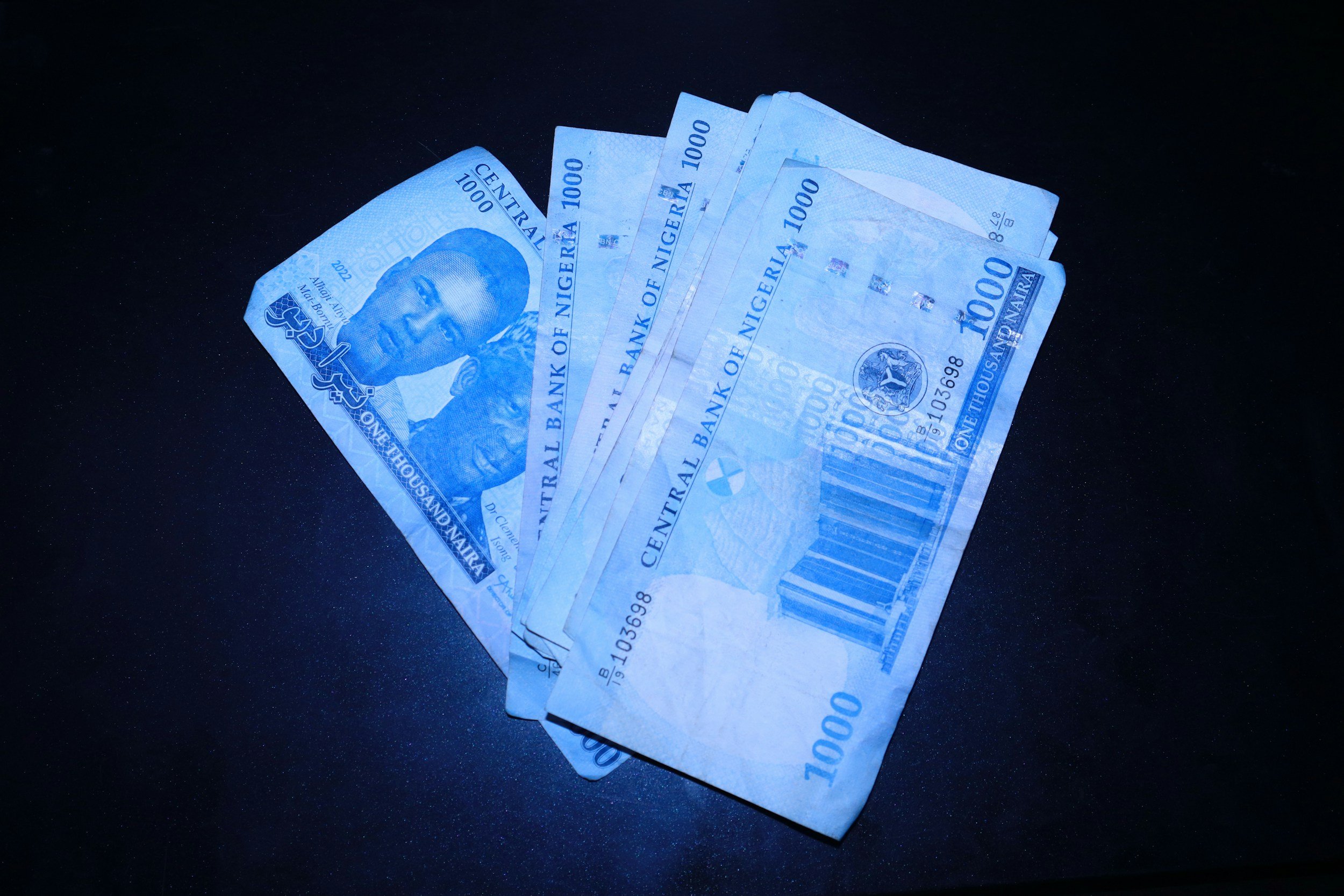
Top 10 Poorest States in Nigeria (2026 Economic Data)
This ranking uses a weighted index of Multidimensional Poverty (MPI), GDP per capita, and infrastructure access. In 2026, poverty is measured not just by income, but by access to housing, clean water, and education.
| Rank | State Name | Primary Challenge | Poverty Status (2026) |
|---|---|---|---|
| 1 | Sokoto State | Agriculture & Literacy | Highest MPI (91%) |
| 2 | Bayelsa State | Infrastructure & Access | High Housing Deficit |
| 3 | Jigawa State | Rural Isolation | Low IGR per Capita |
| 4 | Kebbi State | Border Trade Barriers | High Food Insecurity |
| 5 | Zamfara State | Security & Mining Gaps | Economic Displacement |
| 6 | Yobe State | Post-Conflict Recovery | Limited Utility Access |
| 7 | Gombe State | Resource Scarcity | Emerging Economy Zone |
| 8 | Bauchi State | Health Access Gap | Significant Education Lag |
| 9 | Ebonyi State | Industrialization Lag | Regional Poverty Outlier |
| 10 | Taraba State | Logistics & Transport | Untapped Ag-Potential |
Source: Nigeria Housing Market Research Dept / NBS 2026 Projections.
Analyzing the Top 3 Poorest States
1. Sokoto State: The Poverty Headcount Challenge
Sokoto remains the poorest state in Nigeria in 2026. Despite being a historical center of learning, the state struggles with the highest Multidimensional Poverty Index. The gap between urban wealth and rural subsistence remains wide, with a significant portion of the population lacking access to modern housing and clean energy.
2. Bayelsa State: The Paradox of Wealth
Surprisingly, despite being an oil-producing state, Bayelsa ranks second on the poverty list. This is due to "Access Poverty." The difficult riverine terrain makes the cost of building materials and infrastructure development nearly triple the national average, leaving many communities disconnected from the economic grid.
3. Jigawa State: Rural Sustainability Gaps
Jigawa’s economy is heavily dependent on subsistence farming. While the state government has made strides in ease of doing business, the lack of a diverse industrial base means that Internally Generated Revenue (IGR) remains low, limiting the state’s ability to fund large-scale housing projects.
Why These Rankings Matter for Real Estate
At Nigeria Housing Market, we track these stats because poverty levels directly correlate with the Housing Deficit. States with high poverty rankings often see:
High demand for low-cost, government-subsidized housing.
Lack of formal land documentation in rural areas.
Opportunities for "Impact Investing" in sustainable infrastructure.
Compare this to the other end of the spectrum in our Top 10 Richest States in Nigeria 2026 Guide.
READ MORE