The Role of Real Estate in Nigeria's Economic Development: 2026 Analysis
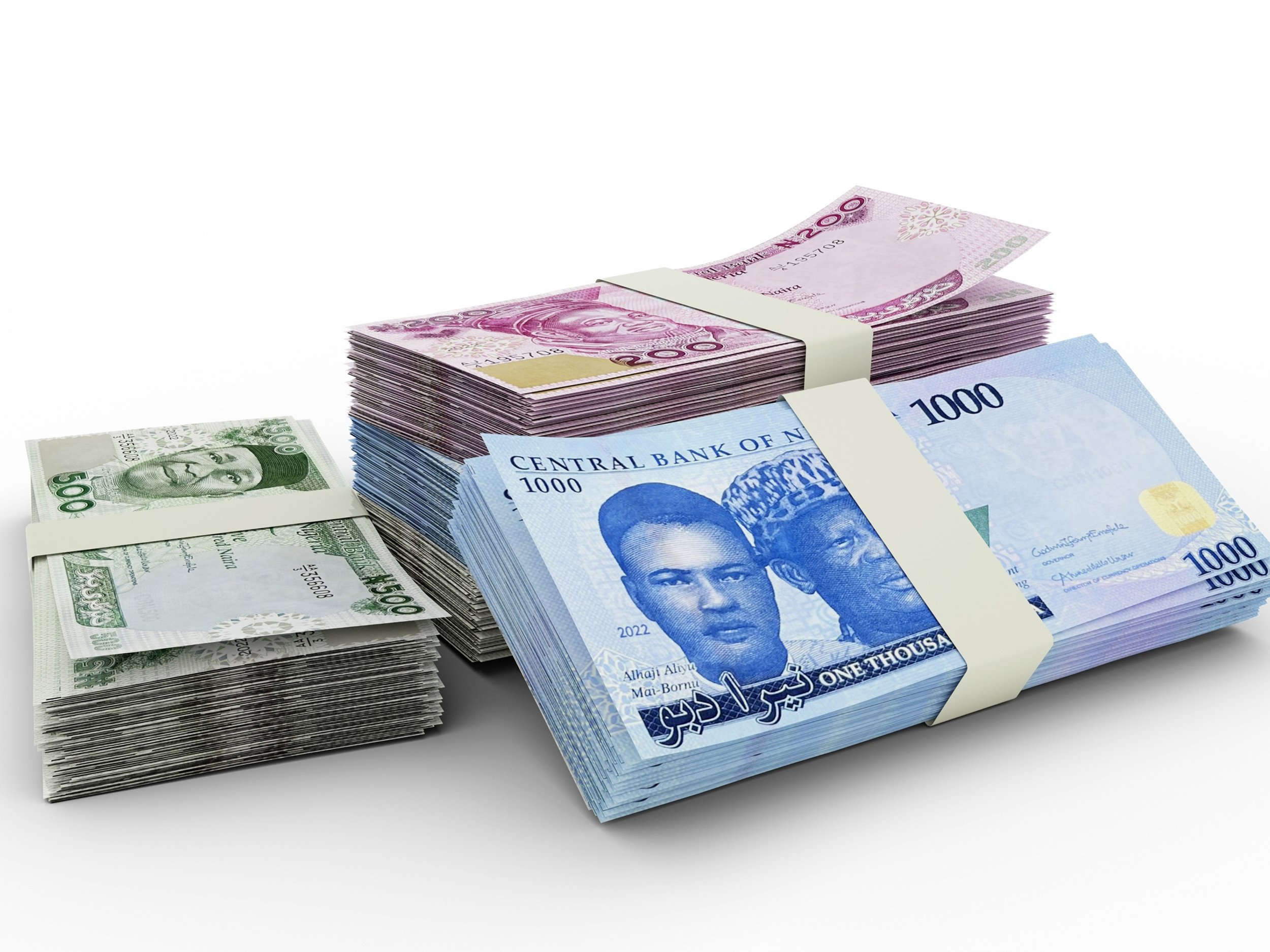
Real estate has officially overtaken oil as one of the primary drivers of the Nigerian economy. Following the recent GDP rebasing by the National Bureau of Statistics (NBS), the real estate and construction sectors now contribute a combined 15.9% to the national output. This shift highlights the sector’s critical role in job creation, urban migration management, and long-term fiscal stability.
As Nigeria targets a $1 trillion economy by 2030, the real estate sector is no longer just a "housing" issue—it is a vital engine for industrialization and poverty alleviation.
1. Contribution to GDP: Breaking the Oil Dependency
For the first time in decades, real estate is the third-largest contributor to Nigeria's GDP, surpassing the oil and gas sector in total output value.
Direct Impact: As of early 2026, the real estate sector alone contributes 10.7% to the GDP (up from 6.2% pre-rebasing).
The Multiplier Effect: For every ₦1 million invested in a housing project, an estimated ₦2.5 million is generated across the value chain, benefiting cement manufacturers, logistics providers, and professional service firms.
2. Solving the 28-Million Unit Housing Deficit
Nigeria currently faces a housing shortfall estimated between 22 and 28 million units. This deficit represents a massive economic opportunity rather than just a social crisis.
Investment Potential: To bridge this gap, Nigeria requires an annual investment of approximately ₦5.5 trillion over the next decade.
Urbanization Momentum: With over 50% of Nigerians now living in urban centers like Lagos, Abuja, and Port Harcourt, the demand for rental and owner-occupied properties is the highest in Africa.
3. Job Creation: The Largest Employer of Informal Labor
The real estate and construction value chain is one of Nigeria’s most significant employers.
Direct Employment: Architects, estate surveyors, lawyers, and engineers.
Indirect Employment: Artisans (masons, plumbers, electricians) and laborers who account for over 80% of the sector's workforce.
Skill Development: Ongoing projects like the Renewed Hope Cities initiative are currently training thousands of youths in modern construction technologies, reducing the national unemployment rate.
4. Infrastructure-Led Development: The "Coastal Highway" Effect
Real estate and infrastructure development are inseparable. Strategic projects like the Lagos-Calabar Coastal Highway and the Sokoto-Badagry Expressway are opening new economic corridors.
Property Appreciation: Areas near these new infrastructure nodes are seeing land value appreciation of up to 25% annually.
Industrial Hubs: Real estate is driving the development of specialized zones, such as the Lekki Free Trade Zone, which integrates industrial, commercial, and residential spaces to boost national export capacity.
The Challenges: Unlocking the Full Potential
Despite its growth, the sector faces "structural bottlenecks" that hinder its maximum economic contribution:
High Interest Rates: With mortgage penetration at less than 1% of GDP, high borrowing costs remain a barrier for middle-income Nigerians.
Regulatory Hurdles: Complex land titling and the high cost of obtaining a Certificate of Occupancy (C of O) often delay project timelines.
Construction Costs: Reliance on imported materials makes the sector vulnerable to exchange rate fluctuations, though the 2026 shift toward local material substitution is providing some relief.
Conclusion: Real Estate as a Pillar of the "Renewed Hope" Agenda
Real estate is the bedrock of wealth creation in Nigeria. By formalizing land titles, expanding mortgage access through the Federal Mortgage Bank of Nigeria (FMBN), and incentivizing private developers, Nigeria can leverage this sector to achieve double-digit GDP growth.