The Complete Guide to Nnamdi Azikiwe International Airport (ABV), Abuja
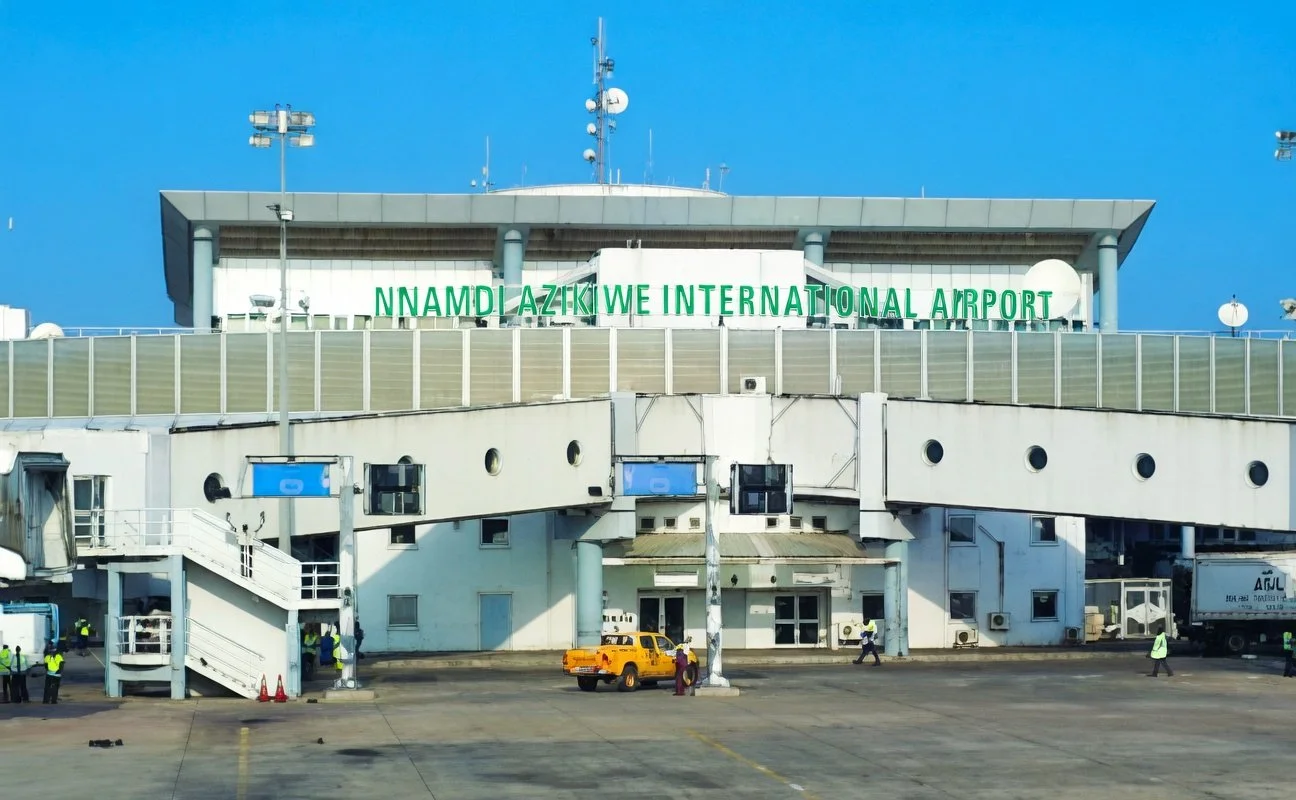
Nnamdi Azikiwe International Airport
Nnamdi Azikiwe International Airport (IATA: ABV) is the gateway to Nigeria’s capital city, Abuja. Named after the country’s first president, Dr. Nnamdi Azikiwe, this airport serves as a vital hub for both domestic commerce and international diplomacy. Whether you are a first-time visitor to Nigeria or a frequent business traveler, navigating this modern facility is essential for a seamless trip.
Airport Overview and Terminal Information
Located approximately 40km southwest of Abuja's city center, the airport features two main terminals:
The Domestic Terminal: Serves local routes connecting Abuja to cities like Lagos, Port Harcourt, and Kano.
The International Terminal: A state-of-the-art facility commissioned recently to handle increased global traffic with modern immigration and baggage handling systems.
Airport Specifications at a Glance
Transportation: Getting to and from the Airport
Travelers have three primary ways to reach central Abuja (Wuse, Maitama, Garki):
Abuja Light Rail: The most affordable option. The station is located directly at the airport and connects to the Abuja Metro Station in the city center. It costs approximately ₦1,000 per trip.
Airport Taxis: Official yellow-and-green taxis are available 24/7. Always agree on a fare before departing; typical rates range from ₦6,000 to ₦10,000 depending on your destination.
Ride-Hailing Apps: Uber and Bolt operate in Abuja. While convenient, pick-up points may be slightly restricted to specific parking zones.
Facilities and Services
Nnamdi Azikiwe International Airport has seen significant upgrades to its passenger experience:
Lounges: Several VIP and executive lounges are available in the international terminal for travelers seeking comfort and Wi-Fi.
Dining: A variety of local Nigerian delicacies and international fast food chains are located in the departure halls.
Duty-Free: Browse a selection of spirits, perfumes, and traditional Nigerian crafts.
Currency Exchange: Multiple Bureau de Change kiosks are available in the arrival halls for both USD and Euro conversions.
Popular Domestic and International Flight Routes from Abuja (ABV)
| Destination City | Route Type | Average Flight Duration | Frequency |
|---|---|---|---|
| Lagos (LOS) | Domestic | 1h 10m | Hourly |
| London (LHR) | International | 6h 30m | Daily |
| Port Harcourt (PHC) | Domestic | 1h 05m | Daily |
| Addis Ababa (ADD) | International | 5h 15m | Daily |
| Kano (KAN) | Domestic | 0h 55m | Daily |
| Frankfurt (FRA) | International | 6h 15m | 5x Weekly |
Top Tips for Travelers
Arrive Early: For international flights, arrive at least 3 hours before departure. Security and immigration can be thorough and time-consuming.
Verify Terminals: Double-check if your flight is domestic or international, as the walk between them is short but can be confusing during rush hour.
Stay Connected: While there is public Wi-Fi, it can be spotty. Consider purchasing a local SIM card (MTN or Airtel) at the airport kiosks for reliable data.