The Federal Republic of Nigeria: A Comprehensive Guide to Government and History
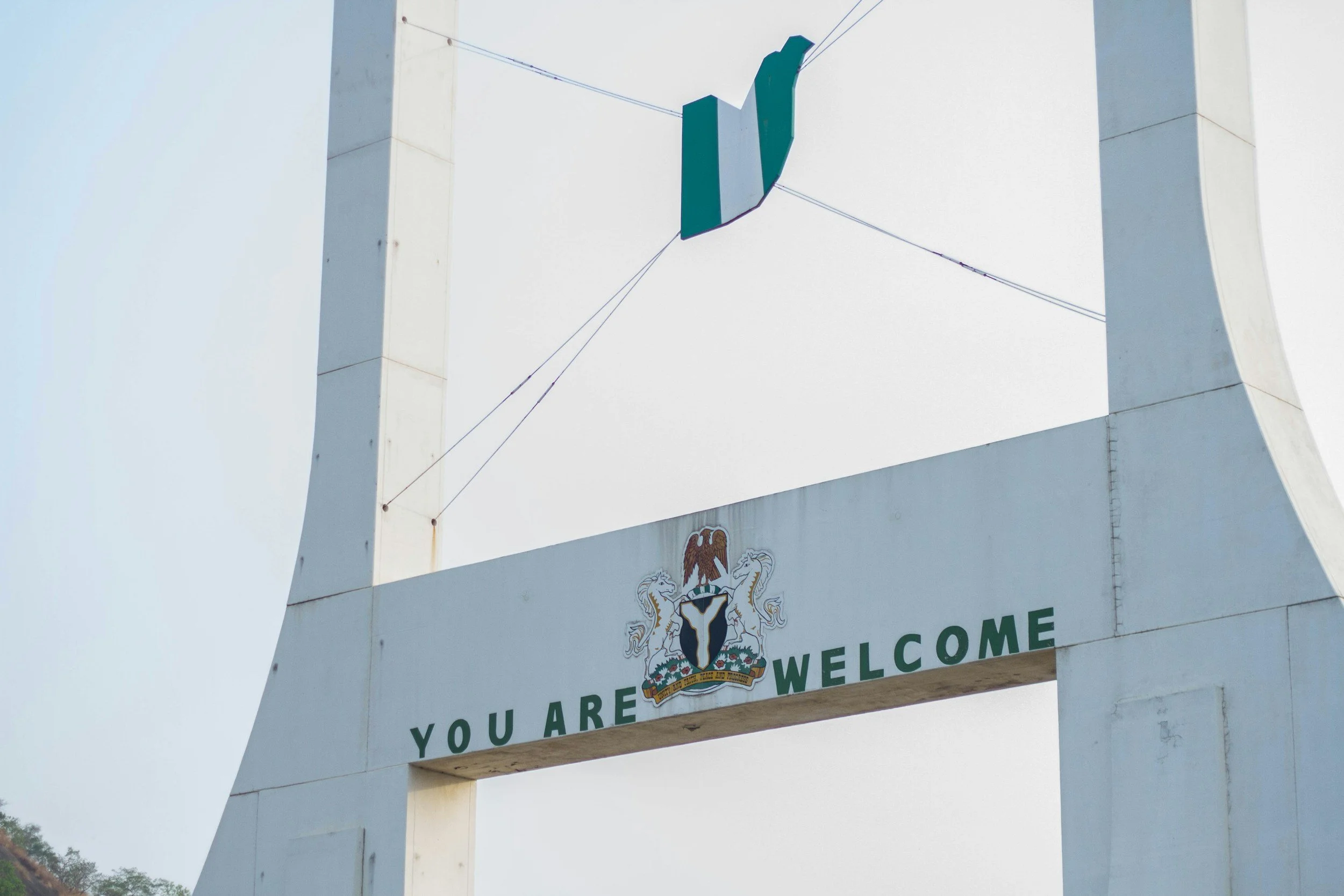
Nigeria, officially the Federal Republic of Nigeria, is Africa’s most populous nation and a leading democratic power on the continent. To understand Nigeria and politics, one must explore its government system, its brief history in world studies, and its evolution since independence.
What type of government does Nigeria have?
Nigeria operates a federal presidential republic. This means that Nigeria has a presidential democracy, modelled closely after the United States system, rather than a parliamentary democracy.
Government Structure: The government structure in Nigeria is divided into three tiers: Federal, State, and Local governments.
Form of Government: It is a representative democracy where power is separated among three arms: the Executive, the Legislative, and the Judiciary.
Political System: The Nigeria political system is governed by the 1999 Constitution (as amended), which defines the country as a "sovereign secular democratic state."
The Executive Branch: Roles and Responsibilities
If you are asking "what is the executive branch of Nigeria" or "what does the executive branch do in Nigeria," the answer lies in implementation and enforcement.
What is the executive branch role in Nigeria?
The executive branch is responsible for the day-to-day administration of the country. Its primary roles include:
Policy Implementation: Carrying out laws passed by the National Assembly.
National Defense: The President serves as the Commander-in-Chief of the Armed Forces.
Federal Administration: Managing the Nigerian govt through various Federal Ministries, each headed by a Minister.
Budgeting: Formulating and presenting the annual national budget for legislative approval.
Nigeria's Brief History: From Colonialism to Independence
Understanding the evolution of Nigeria requires looking back at its founding and the struggle for self-rule.
When was Nigeria founded?
While the land has been inhabited for thousands of years by diverse civilizations (such as the Nok, Kanem-Borno, and Oyo empires), the modern state of Nigeria was founded in 1914 through the Amalgamation of the Northern and Southern Protectorates by the British.
From whom did Nigeria gain independence?
Nigeria gained independence from Great Britain on October 1, 1960.
How old is Nigeria from independence? As of October 1, 2025, Nigeria celebrated its 65th Independence Anniversary.
Who is the "original owner" of Nigeria? Historically, the "original owners" are the diverse indigenous ethnic groups—over 250 in total—including the Hausa, Yoruba, Igbo, Ijaw, and Fulani, who lived in independent kingdoms and societies long before British colonial rule.
Is Nigeria a Presidential or a Parliamentary Democracy?
This is a common question in world studies.
1960–1966: Nigeria initially had a parliamentary democracy (British model) with a Prime Minister as the head of government.
1979–Present: Except for periods of military rule, Nigeria is a presidential democracy. The President is directly elected by the people and holds both the titles of Head of State and Head of Government.
| Year | Milestone |
|---|---|
| 1914 | Amalgamation of Northern and Southern Protectorates. |
| 1960 | Independence from Britain (October 1). |
| 1963 | Nigeria became a Federal Republic. |
| 1966–1979 | Period of military coups and the Nigerian Civil War. |
| 1999 | Transition to the Fourth Republic and the current democratic era. |