
Cost of Solar Panel in Nigeria: 2026 Latest Price List & Buying Guide
Last Updated: June 3, 2026
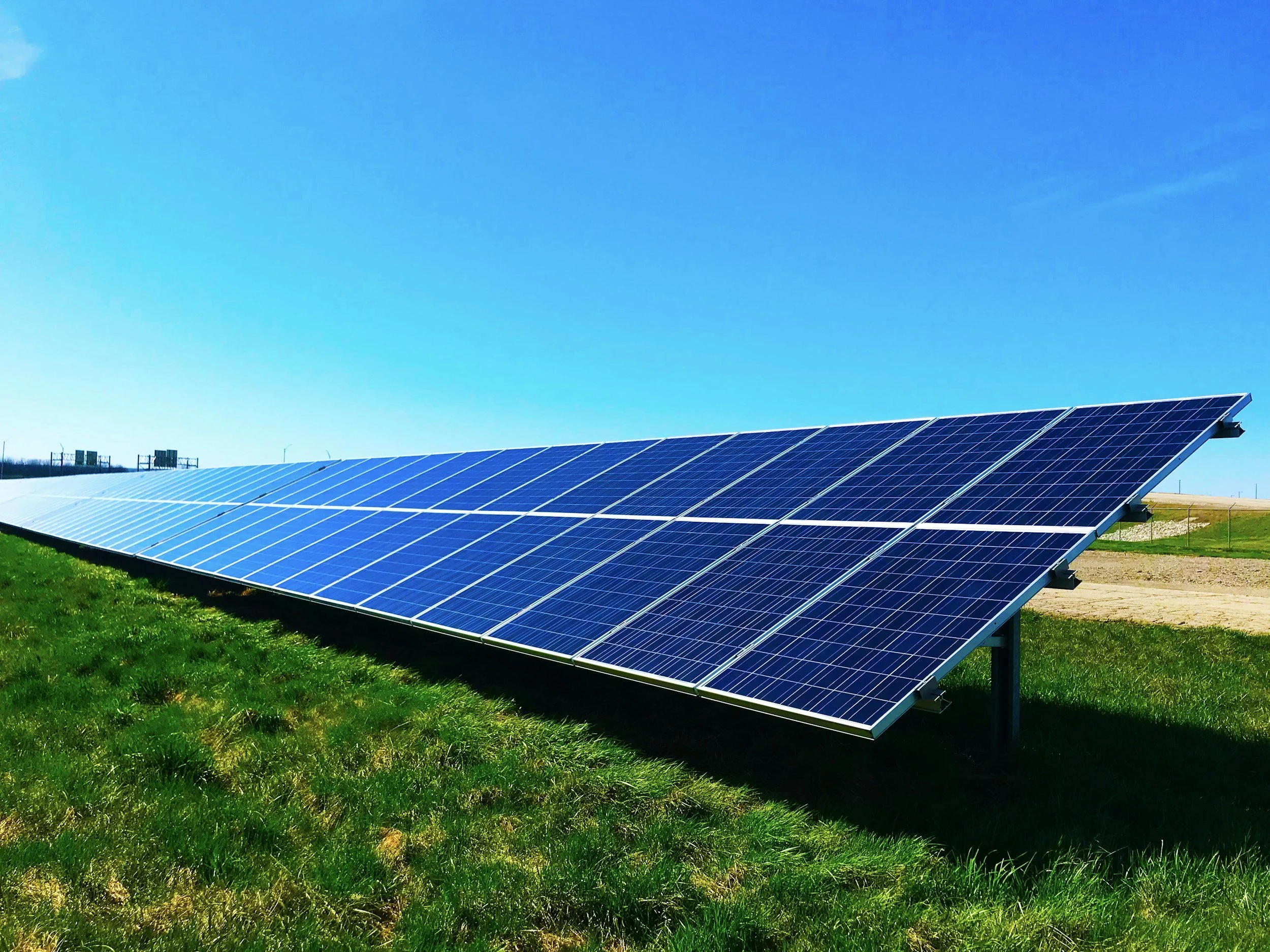
With the continued rise in grid electricity tariffs and the removal of fuel subsidies, switching to solar has become a financial necessity for Nigerian households and businesses. As of January 16, 2026, solar panel prices have seen a slight structural adjustment due to global raw material costs (silver and aluminum) and local import duties.
This guide provides the most accurate, market-verified prices for individual panels and complete systems in Nigeria today.
| Panel Capacity (Wattage) | Price Range (₦) | Recommended Brands |
|---|---|---|
| 100W Panel | ₦22,000 – ₦35,000 | Jinko, Felicity |
| 200W Panel | ₦45,000 – ₦65,000 | Canadian Solar, Suntech |
| 300W Panel | ₦65,000 – ₦85,000 | Felicity, Trina |
| 450W Panel | ₦95,000 – ₦120,000 | Jinko, Canadian Solar |
| 550W Panel | ₦115,000 – ₦145,000 | Jinko, Longi, Canadian |
| 650W Panel | ₦155,000 – ₦200,000 | Trina Solar, Jinko |
Prices by Top Solar Brands in Nigeria
Brand reputation affects both the price and the long-term efficiency of your system. In 2026, these are the market leaders:
1. Jinko Solar Panel Prices
Jinko is currently the most popular brand in the Nigerian market due to its high efficiency in low-light conditions.
350W Mono: ₦75,000 – ₦90,000
550W N-Type TOPCon: ₦125,000 – ₦150,000
2. Canadian Solar Panel Prices
Known for their durability and high heat tolerance (essential for Nigeria’s climate).
400W Mono-PERC: ₦100,000 – ₦115,000
550W Bifacial: ₦135,000 – ₦160,000
3. Felicity Solar Panel Prices
The preferred choice for budget-conscious homeowners.
280W Poly: ₦55,000 – ₦70,000
300W Mono: ₦68,000 – ₦80,000
| System Size | Capacity (Appliances) | Total Cost (₦) |
|---|---|---|
| 1KW System | TV, 6 Fans, 10 Bulbs, Laptops | ₦450,000 – ₦650,000 |
| 3KW System | Fridge, Freezer, TV, Fans, Lights | ₦1,200,000 – ₦1,800,000 |
| 5KW System | 1HP AC (Daytime), Freezer, Pumps | ₦2,200,000 – ₦3,500,000 |
| 10KW System | Full Home/Office (Multiple ACs) | ₦5,500,000 – ₦8,500,000 |
Factors Influencing Solar Prices in 2026
Monocrystalline vs. Polycrystalline: In 2026, N-Type TOPCon panels (High-efficiency Mono) are the standard. They cost 20% more but produce 30% more energy in hot weather.
Exchange Rate (USD/NGN): Since 95% of panels are imported, the cost of solar panels in Nigeria fluctuates directly with the naira's value.
Incentives: Check if you qualify for the Nigeria Electrification Project (NEP) subsidies, which can reduce installation costs by up to 15%.
FAQ: Common Questions About Solar Panel Costs
Q: What is the cheapest solar panel in Nigeria? A: The cheapest are the 10W–50W panels used for phone charging and small bulbs, starting at ₦10,500. For home use, 200W Polycrystalline panels remain the most budget-friendly.
Q: How many solar panels do I need for a 3-bedroom flat? A: A typical 3-bedroom flat in Nigeria requires a 3.5KVA to 5KVA system, which usually uses 6 to 10 pieces of 550W panels.