Cost of Living in Lagos (2026 Practical Budget Guide)
The Real Cost of Living in Lagos: Ultimate 2026 Budget Guide
Lagos is the undisputed heartbeat of West Africa, a hyper-dynamic megacity built on hustle, enterprise, and infinite energy. It is where Nigeria’s tech ecosystems, entertainment industries, and multinational corporations congregate. But this economic supremacy comes with a heavy caveat: Lagos is notoriously expensive.
Driven by inflationary shifts and an ever-evolving real estate market, the cost of living in Lagos requires careful calculation. Financial surveys, including recent data from Cowrywise and subnational housing indices, confirm that independent living for a young professional now demands a baseline income of around ₦500,000 per month to maintain proper financial health.
If you are planning a move or trying to make sense of your monthly disappearing cash, this line-by-line breakdown details what it actually costs to survive and thrive in Lagos.
The Great Divide: Mainland vs. Island
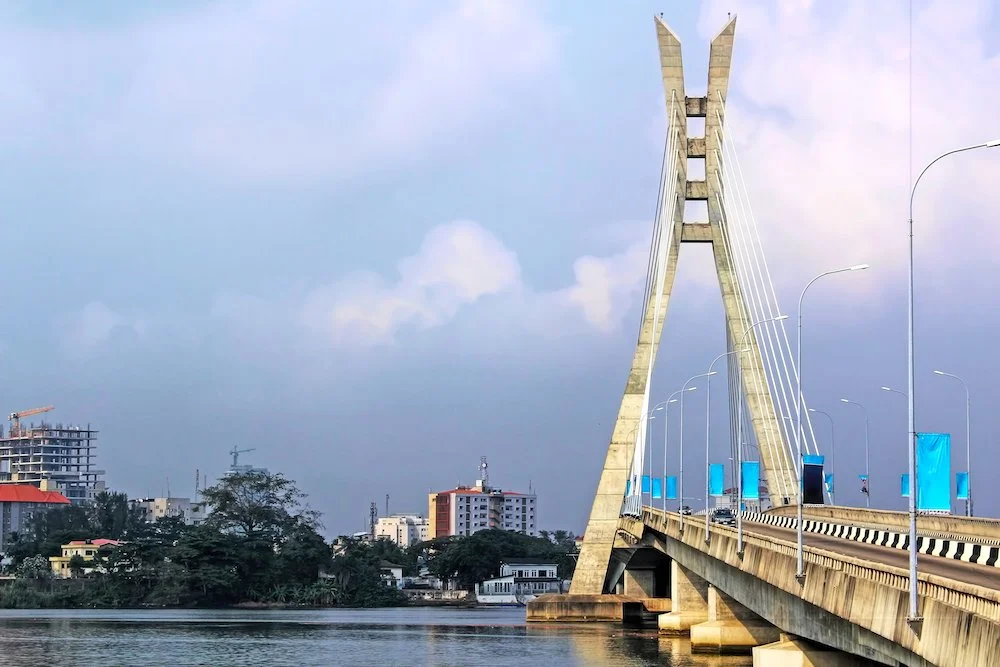
Before spending a single Naira, you must understand that your lifestyle expenses are determined entirely by which side of the bridge you choose to settle on.
The Island (Victoria Island, Ikoyi, Lekki, Eko Atlantic): The playground of corporate executives, expats, and high earners. It offers premium infrastructure, trendy restaurants, and elite networking, but commands an immense financial markup.
The Mainland (Ikeja, Yaba, Surulere, Gbagada): The residential core of the city. While it is more culturally integrated and offers cheaper food and rent, it requires navigating heavy traffic bottlenecks if your workplace is on the Island.
1. Housing and Rent: The "Total Package" Reality
Rent is the single largest hurdle in Lagos, easily absorbing 35% to 50% of local monthly incomes.
A common trap for newcomers is budgeting only for the baseline rent. In Lagos, landlords look for upfront payments of 1 to 2 years. Furthermore, you must factor in the "Total Package," which adds an extra 25% to 30% to cover Agency Fees (10%), Legal Fees (10%), and a Caution Deposit (5%–10%).
Annual Rental Averages:
Lagos Island (Lekki Phase 1, VI, Ikoyi): A standard 1-bedroom flat (mini-flat) commands between ₦1.5 million and ₦4.0 million annually.
Mid-Mainland (Ikeja, Yaba, Surulere, Gbagada): A 1-bedroom flat ranges between ₦800,000 and ₦2.0 million per year.
Mainland Outskirts (Ikorodu, Agege, Iyana-Ipaja): More affordable, with single-room self-contain apartments running between ₦250,000 and ₦550,000 annually.
2. Food and Groceries
Food costs have experienced immense pressure over the last few years. According to consumer lifestyle data, a grocery basket of basic staples that once cost ₦25,000 a few years ago now requires roughly ₦145,000.
Cooking at Home: Preparing your meals is your strongest defense against Lagos inflation. Sourcing your supplies from large open markets like Mile 12, Oyingbo, or Oshodi keeps a single person’s monthly food budget between ₦60,000 and ₦100,000.
Eating Out: A meal at a local neighborhood buka costs between ₦1,500 and ₦3,000. Casual dining at a mid-range restaurant on the Mainland or Island will easily cost ₦8,000 to ₦20,000 per person.
3. Transportation and The Commute Tax
Lagos traffic takes a toll on both your time and your bank account. Your monthly transport spend changes drastically depending on how you move:
Public Transport (Danfo, BRT, Rail): Commuting via the yellow Danfo buses or the state-run Bus Rapid Transit (BRT) network will cost a daily commuter between ₦30,000 and ₦75,000 monthly.
Private Car Ownership: With current fuel prices, a car owner commuting regularly can expect to spend roughly ₦180,000 to ₦240,000 per month on fuel, routine maintenance, and local toll fees.
Ride-Hailing (Uber/Bolt): Relying strictly on ride-hailing apps for daily transits can quickly drain upwards of ₦300,000+ monthly.
4. Utilities, Power, and Data
Relying purely on the national grid (NEPA/PHCN) is rarely realistic. Most apartments rely heavily on supplementary power systems.
Power & Fuel: Between prepaid meter bills and purchasing petrol or diesel for private generators, expect to budget ₦30,000 to ₦70,000 monthly for electricity.
Internet/Data: Staying connected is a fixed cost. A standard smartphone data plan costs ₦8,000 to ₦15,000 a month, while premium fiber-to-the-home setups or Starlink services require ₦30,000 to ₦50,000 monthly.
Consolidated Budget Matrix: What You Need Monthly
To make planning straightforward, here is a clean, responsive summary of estimated monthly living costs based on different lifestyle tiers:
Conclusion
Lagos offers unparalleled career advancement and cultural opportunities, but its financial entry fee is high. While it is completely possible to survive on a tight budget by living further out on the Mainland and prioritizing home-cooked food, a truly smooth, independent lifestyle requires target earnings of at least ₦500,000 per month. If your current or prospective income falls short of this mark, looking into more affordable alternative cities across Nigeria might offer a far higher quality of life.
Frequently Asked Questions (FAQ)
What salary do you need to live comfortably in Lagos?
For a single professional looking to live independently in a central area (like Yaba, Ikeja, or Surulere), a salary of ₦500,000 to ₦800,000 per month is generally recommended to comfortably cover rent, utilities, food, and emergency savings.
Why is rent so expensive in Lagos?
Lagos rent is driven up by high demand, urbanization, rising building material costs, and the local real estate practice of demanding 1 to 2 years of upfront payment along with heavy agency and legal fees.
Is it cheaper to live on the Lagos Mainland or Island?
The Mainland is significantly cheaper. Rent, grocery prices, and local restaurant costs on the Mainland are typically 40% to 60% lower than on the Island, though commuting across the bridge can add to transport costs.