
Abuja, Nigeria: Complete Guide to the Federal Capital Territory (FCT)
Last Updated: January 19, 2026
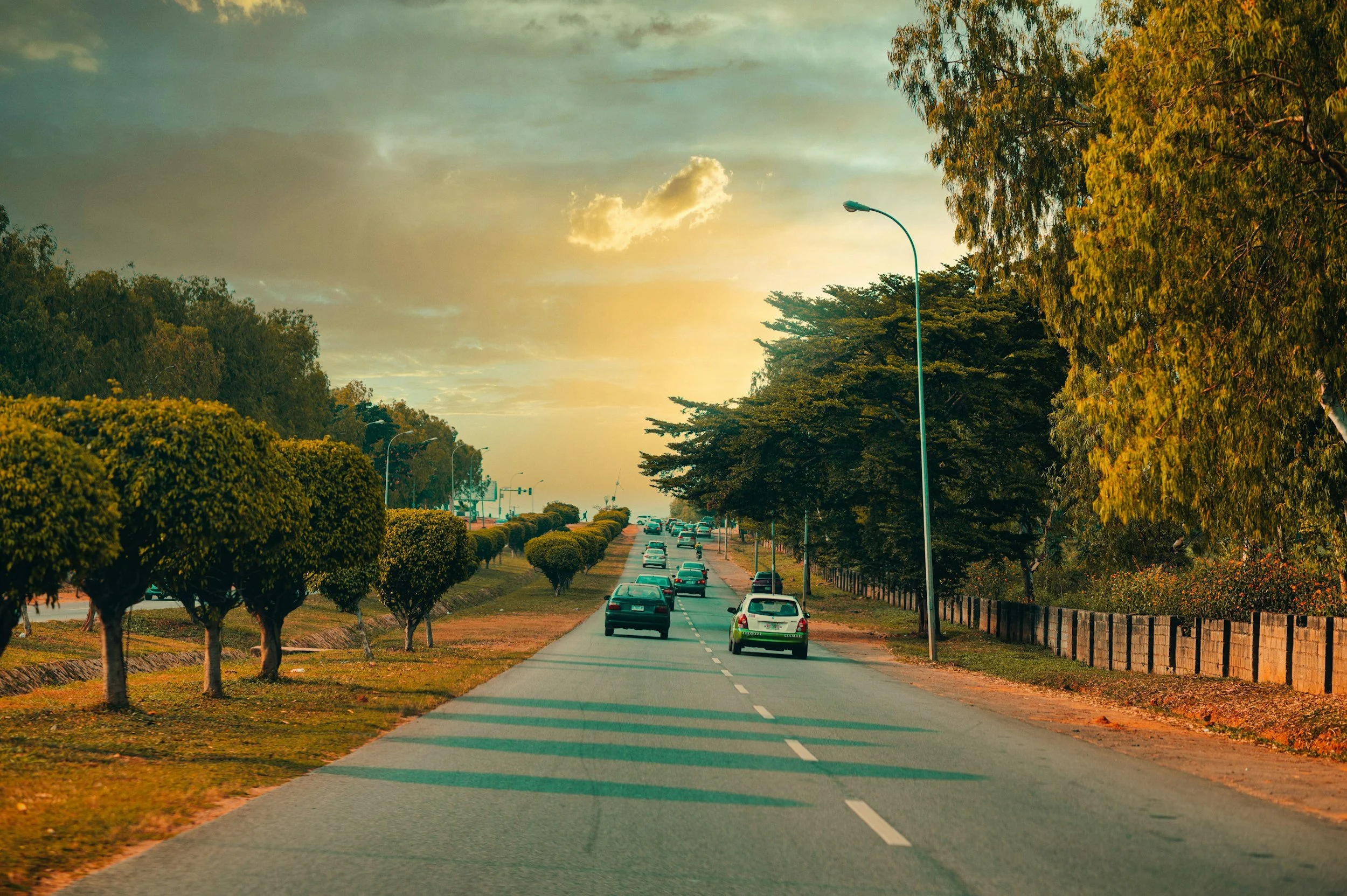
If you are planning on moving to or visiting Abuja, Africa, you are heading to one of the most organized and fastest-growing cities on the continent. Known as the "Centre of Unity," Abuja, the capital of Nigeria, was designed to be a neutral ground that brings together the country’s diverse ethnic groups.
In this guide, we break down the essentials of Nigerian Abuja, from its deep-rooted meaning to the practicalities of modern life in the FCT.
What State is Abuja In?
A common question for many is, "what state is Abuja in?" The answer is unique: Abuja is not in any state.
It is located within the Federal Capital Territory (FCT). Much like Washington D.C. in the United States, the FCT is a standalone administrative territory in the heart of the country. It was carved out of parts of Niger, Kogi, Plateau, and Kaduna states in 1976 to provide a more central and neutral location for the Federal Capital of Nigeria.
Abuja Meaning and History
The Abuja meaning is tied to its historical roots. The city was named after the nearby town of Abuja (now renamed Suleja).
The name "Abuja" itself comes from Abubakar Ja, a 19th-century king. "Abu" was his nickname, and "Ja" (meaning "red" or "fair-skinned" in Hausa) described his complexion.
In the local Gbagyi language, the word Aso (as in the famous Aso Rock) means "success" or "victory." Abuja officially replaced Lagos as the capital of Nigeria on December 12, 1991. It was chosen for its central location, favorable climate, and low population density at the time, allowing for a strictly planned master layout.
Abuja Population: A Growing Metropolis
Since becoming the capital of Nigeria, Abuja has seen an explosion in growth.
Current Estimates: As of 2025, the Abuja population in the metropolitan area is estimated at over 4.2 million people.
Growth Rate: It remains one of the fastest-growing cities in Africa, with an annual growth rate of approximately 4-5%.
This rapid growth has led to the development of several satellite towns like Gwagwalada, Kubwa, and Lugbe, which house a large percentage of the city's workforce.
Living in Abuja: What to Expect
Living in the Federal Capital of Nigeria offers a different experience compared to the chaotic energy of Lagos.
The Cityscape
Abuja is a "car city" characterized by wide, multi-lane boulevards and impressive modern architecture. The skyline is dominated by Aso Rock, a massive 400-meter monolith that sits behind the Presidential Villa.
Key Districts in Abuja
If you are looking at housing, the city is divided into "Phases":
Phase 1 (The Core): Includes Maitama, Asokoro, Wuse, and Garki. These are the most expensive and prestigious areas.
Phase 2: Includes Gwarinpa (Africa's largest housing estate), Utako, and Jabi.
Phase 3: Emerging neighborhoods like Lokogoma and Karmo.
Climate
Abuja enjoys a tropical savanna climate. It has three main seasons:
The Rainy Season: (April to October)
The Dry Season: (November to March)
Harmattan: A brief, dusty, and cool period during the dry season caused by North-Eastern winds.
Top Landmarks in Capital of Nigeria, Abuja
The Three Arms Zone: Houses the National Assembly, the Supreme Court, and the Presidential Villa.
National Mosque & National Christian Centre: These iconic structures stand opposite each other, symbolizing religious harmony.
Jabi Lake Mall: A popular spot for shopping and lakeside relaxation.
Millennium Park: The largest public park in Abuja, perfect for family picnics.
Tip: Considering a home here? Use the federal government grant and loan portal to apply for MREIF housing finance.
Abuja, Africa's hidden gem, is more than just a political hub. It is a city of "Success" (Aso) that offers a high quality of life, a strategic central location, and a thriving real estate market. Whether you're here for the politics or the scenery, the Federal Capital of Nigeria welcomes everyone.
